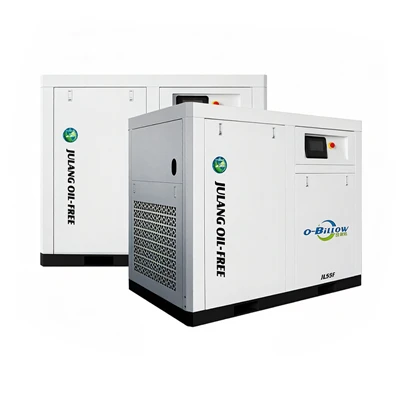

As a supplier of Dc Cabinet Air Conditioners, I've witnessed firsthand the critical role that air circulation rate plays in determining the cooling effect of these units. In this blog, I'll delve into the science behind air circulation in Dc Cabinet Air Conditioners and explain how it impacts the overall cooling performance.
Understanding Air Circulation in Dc Cabinet Air Conditioners
Air circulation is the movement of air within a space, and it's a fundamental process in any cooling system. In a Dc Cabinet Air Conditioner, the air circulation rate refers to the volume of air that is moved through the unit per unit of time, typically measured in cubic feet per minute (CFM). The air circulation rate is determined by several factors, including the size and power of the fan, the design of the air ducts, and the overall layout of the cabinet.


The primary function of the air circulation system in a Dc Cabinet Air Conditioner is to remove heat from the cabinet and transfer it to the outside environment. This is achieved by drawing warm air from the cabinet into the air conditioner, where it is cooled by the evaporator coil. The cooled air is then blown back into the cabinet, while the heat absorbed by the evaporator coil is released to the outside through the condenser coil.
The Impact of Air Circulation Rate on Cooling Effect
The air circulation rate has a direct impact on the cooling effect of a Dc Cabinet Air Conditioner. A higher air circulation rate means that more air is being moved through the unit, which in turn means that more heat can be removed from the cabinet. This results in a more efficient cooling process and a lower temperature inside the cabinet.
Conversely, a lower air circulation rate means that less air is being moved through the unit, which can lead to a less efficient cooling process and a higher temperature inside the cabinet. This can cause the equipment inside the cabinet to overheat, which can lead to reduced performance, increased energy consumption, and even equipment failure.
Factors Affecting Air Circulation Rate
Several factors can affect the air circulation rate of a Dc Cabinet Air Conditioner. These include:
- Fan Size and Power: The size and power of the fan are the primary factors that determine the air circulation rate. A larger and more powerful fan can move more air through the unit, resulting in a higher air circulation rate.
- Air Duct Design: The design of the air ducts can also affect the air circulation rate. A well-designed air duct system can minimize air resistance and ensure that the air is evenly distributed throughout the cabinet.
- Cabinet Layout: The layout of the cabinet can also affect the air circulation rate. A cabinet with a cluttered or poorly organized interior can impede the flow of air, resulting in a lower air circulation rate.
- Filter Condition: The condition of the air filter can also affect the air circulation rate. A dirty or clogged air filter can restrict the flow of air, resulting in a lower air circulation rate.
Optimizing Air Circulation for Maximum Cooling Effect
To optimize the air circulation rate of a Dc Cabinet Air Conditioner and achieve maximum cooling effect, it's important to consider the following factors:
- Choose the Right Unit: When selecting a Dc Cabinet Air Conditioner, it's important to choose a unit that is appropriately sized for the cabinet. A unit that is too small will not be able to provide sufficient cooling, while a unit that is too large will be inefficient and may cause the temperature inside the cabinet to fluctuate.
- Proper Installation: Proper installation is essential for ensuring that the air circulation system functions correctly. The air conditioner should be installed in a location that allows for adequate air intake and exhaust, and the air ducts should be properly sealed to prevent air leakage.
- Regular Maintenance: Regular maintenance is essential for ensuring that the air circulation system functions correctly. The air filter should be cleaned or replaced regularly to prevent clogging, and the fan and other components should be inspected and serviced as needed.
- Optimize Cabinet Layout: The layout of the cabinet can also affect the air circulation rate. To optimize the air circulation, it's important to keep the interior of the cabinet clean and organized, and to avoid blocking the air intake and exhaust vents.
Conclusion
In conclusion, the air circulation rate of a Dc Cabinet Air Conditioner plays a critical role in determining the cooling effect of the unit. A higher air circulation rate means that more heat can be removed from the cabinet, resulting in a more efficient cooling process and a lower temperature inside the cabinet. To optimize the air circulation rate and achieve maximum cooling effect, it's important to choose the right unit, install it properly, perform regular maintenance, and optimize the cabinet layout.
If you're in the market for a Dc Cabinet Air Conditioner, I encourage you to explore our range of products, including our Telecom Cabinet Air Conditioner, Dc Cabinet Air Conditioner, and Control Cabinet Air Conditioner. Our team of experts is available to help you select the right unit for your needs and provide you with the support and service you require. Contact us today to learn more and start the procurement process.
References
- ASHRAE Handbook of Fundamentals. American Society of Heating, Refrigerating and Air-Conditioning Engineers, Inc.
- “HVAC Systems and Equipment.” Building America Solution Center.
- “Cabinet Cooling Systems.” Thermal Management Technologies.