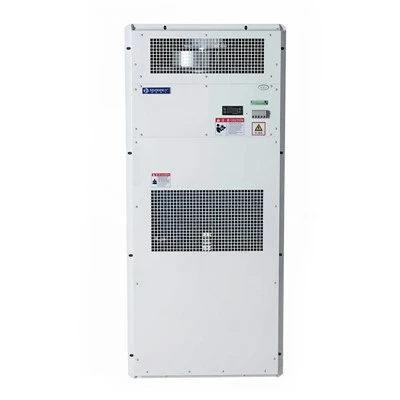

As a provider of Under Cabinet Air Conditioners, I've witnessed firsthand the growing importance of air quality in various settings, from residential kitchens to industrial control rooms. In this blog, I'll delve into the air quality improvement effects of under-cabinet air conditioners, exploring how they work and why they're an essential addition to many spaces.
How Under Cabinet Air Conditioners Work
Under cabinet air conditioners are designed to be installed beneath cabinets, providing targeted cooling and air circulation. They operate on the same basic principles as traditional air conditioners, using a refrigeration cycle to remove heat and moisture from the air. The unit typically consists of an evaporator coil, a compressor, a condenser coil, and a fan.
When the air conditioner is turned on, the fan draws warm, humid air from the surrounding space into the unit. The air passes over the evaporator coil, where the refrigerant absorbs the heat and moisture, cooling and dehumidifying the air in the process. The cooled air is then blown back into the room through the vents, while the refrigerant circulates back to the compressor to be compressed and condensed, releasing the heat outside the unit.
Air Quality Improvement Effects
One of the primary benefits of under cabinet air conditioners is their ability to improve air quality. Here are some of the ways they achieve this:
-
Temperature and Humidity Control: Maintaining optimal temperature and humidity levels is crucial for good air quality. Under cabinet air conditioners can help regulate the temperature and humidity in a room, creating a more comfortable and healthy environment. High temperatures and humidity can promote the growth of mold, mildew, and bacteria, which can cause respiratory problems and other health issues. By keeping the temperature and humidity in check, under cabinet air conditioners can help prevent the growth of these harmful microorganisms.
-
Air Filtration: Most under cabinet air conditioners are equipped with air filters that help remove dust, pollen, pet dander, and other airborne particles from the air. These filters can improve indoor air quality by reducing the amount of allergens and pollutants in the environment. Some air filters are also designed to remove odors and volatile organic compounds (VOCs), further enhancing the air quality in the room.
-
Air Circulation: Under cabinet air conditioners can also improve air quality by promoting better air circulation. The fan in the unit helps to distribute the cooled and filtered air throughout the room, preventing stagnant air and ensuring that fresh air is constantly being circulated. This can help reduce the concentration of pollutants and improve the overall comfort of the space.
Applications in Different Settings
Under cabinet air conditioners are versatile and can be used in a variety of settings. Here are some examples:
-
Residential Kitchens: In the kitchen, under cabinet air conditioners can help combat the heat and humidity generated by cooking appliances. They can also improve air quality by removing cooking odors and smoke from the air. This can create a more comfortable and enjoyable cooking environment, as well as prevent the buildup of grease and other contaminants in the kitchen.
-
Industrial Control Rooms: Industrial control rooms often house sensitive electronic equipment that generates a significant amount of heat. Under cabinet air conditioners can help maintain a stable temperature and humidity level, protecting the equipment from damage and ensuring its proper functioning. They can also remove dust and other contaminants from the air, reducing the risk of equipment failure due to overheating or pollution.
-
Commercial Spaces: In commercial spaces such as restaurants, cafes, and offices, under cabinet air conditioners can provide targeted cooling and air quality improvement. They can help create a more comfortable environment for customers and employees, which can lead to increased productivity and customer satisfaction. Additionally, by improving air quality, under cabinet air conditioners can help reduce the spread of airborne diseases and improve the overall health of occupants.
Comparison with Other Types of Air Conditioners
While under cabinet air conditioners offer several advantages in terms of air quality improvement, it's important to compare them with other types of air conditioners to determine the best option for your needs. Here's a brief comparison:
-
Window Air Conditioners: Window air conditioners are a popular choice for small spaces. They are relatively inexpensive and easy to install. However, they can be noisy and may not provide the same level of air quality improvement as under cabinet air conditioners. Additionally, window air conditioners can block the view and may not be suitable for all window types.
-
Central Air Conditioning Systems: Central air conditioning systems are designed to cool an entire building. They are more expensive to install and maintain than under cabinet air conditioners, but they can provide more consistent and efficient cooling. Central air conditioning systems also typically have larger air filters, which can improve air quality on a larger scale. However, they may not be as effective in providing targeted cooling in specific areas.


-
Outdoor Cabinet Air Conditioner: Outdoor cabinet air conditioners are designed to be installed outside the building and are often used for cooling electrical cabinets and industrial equipment. They are built to withstand harsh weather conditions and can provide reliable cooling in outdoor environments. While they are not typically used for improving indoor air quality, they play an important role in protecting equipment from heat damage.
-
Industrial Electrical Cabinet Air Conditioner: Industrial electrical cabinet air conditioners are specifically designed for cooling electrical cabinets in industrial settings. They are engineered to provide precise temperature and humidity control, ensuring the proper functioning of sensitive electrical components. These air conditioners can also help prevent the buildup of dust and other contaminants inside the cabinets, reducing the risk of equipment failure.
-
Electrical Cabinet Cooling Unit: Electrical cabinet cooling units are similar to industrial electrical cabinet air conditioners but are often more compact and suitable for smaller cabinets. They can help maintain a stable temperature inside the cabinet, protecting the electrical components from overheating and extending their lifespan.
-
Control Cabinet Air Conditioner: Control cabinet air conditioners are designed to cool control cabinets, which house the control systems for various industrial processes. They can help ensure the reliable operation of these control systems by maintaining a stable temperature and humidity level inside the cabinet.
Conclusion
In conclusion, under cabinet air conditioners offer significant air quality improvement effects in a variety of settings. By controlling temperature and humidity, filtering the air, and promoting better air circulation, they can create a more comfortable and healthy environment. Whether you're looking to improve the air quality in your kitchen, industrial control room, or commercial space, an under cabinet air conditioner can be a valuable investment.
If you're interested in learning more about our Under Cabinet Air Conditioners or discussing your specific air quality needs, please feel free to reach out. We're here to help you find the best solution for your space.
References
- ASHRAE Handbook - HVAC Systems and Equipment. American Society of Heating, Refrigerating and Air-Conditioning Engineers.
- Indoor Air Quality Guide for Building Owners and Facility Managers. U.S. Environmental Protection Agency.