
Selecting an industrial chiller isn't a walk in the park. You've got to weigh up a ton of factors to make sure you're getting the right one for your specific needs. As a long - time industrial chiller supplier, I've seen it all. I'm here to share some key points you should consider when you're in the market for an industrial chiller.
Cooling Capacity
First off, you need to figure out the cooling capacity you need. This is basically how much heat the chiller can remove. If you go for a chiller with too little capacity, it won't be able to keep your equipment at the right temperature. On the other hand, if you choose one with too much capacity, you'll be spending more money than you have to on both the initial purchase and the ongoing energy costs.
To calculate your required cooling capacity, you'll need to know the heat load of your equipment. This includes the heat generated by the machinery itself, as well as any heat that's transferred from the surrounding environment. You can get a rough estimate by looking at the equipment's specifications, or you can hire a professional to do a detailed assessment.
Type of Chiller
There are different types of industrial chillers out there, each with its own pros and cons. You've got air - cooled and water - cooled chillers.
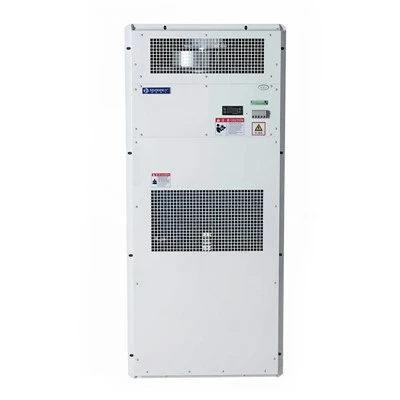
Air - cooled chillers are easier to install and don't need a separate water source. They're great for smaller spaces where adding a water source might be a hassle. You can check out our Industrial Air Cooled Water Chiller for more details. But they aren't as energy - efficient as water - cooled chillers, especially in hot climates.
Water - cooled chillers, as the name suggests, use water to dissipate heat. They're more energy - efficient, making them a good choice for large - scale operations where energy costs are a big deal. However, they're more complex to install and need a reliable water source.
Then there are specialized chillers for different industries. For example, if you're in the marine industry, a Marine Chiller Unit is designed to withstand the harsh marine environment. If you're dealing with oil - based processes, an Industrial Oil Chiller is what you need.
Energy Efficiency
Energy costs can really add up over time, so it's crucial to think about energy efficiency when choosing an industrial chiller. Opt for a chiller with a high Energy Efficiency Ratio (EER) or coefficient of performance (COP). These numbers tell you how effectively the chiller can convert energy into cooling power.


Newer models often come with advanced features like variable - speed drives that can adjust the chiller's operation according to the actual cooling demand. This means it uses less energy when the load is low. You might pay a bit more upfront for an energy - efficient chiller, but the savings on your energy bills in the long run will more than make up for it.
Maintenance Requirements
Maintenance is a key consideration. A chiller that's difficult to maintain can lead to costly downtime and premature failure. Look for a chiller that has easily accessible components. This makes it simpler for your maintenance crew to clean, inspect, and replace parts when needed.
Make sure to ask about the recommended maintenance schedule. Some chillers need more frequent maintenance than others. For instance, water - cooled chillers need regular water treatment to prevent scale and corrosion, while air - cooled chillers need their condenser coils cleaned periodically.
Size and Space
The physical size of the chiller matters. You need to make sure it fits in the space you've allocated for it. Think about not just the footprint but also the height, especially if you're installing it indoors.
If space is limited, you might want to consider a Small Industrial Chiller. These are compact and great for operations with limited floor space. However, make sure that the reduced size doesn't mean sacrificing the cooling capacity you need.
Noise Level
In some work environments, noise can be a major issue. If your chiller is going to be installed in an area where people work or near sensitive equipment, a high - noise chiller can be a problem.
Modern chillers come with different noise - reduction technologies. Some have insulated cabinets, while others use quieter fans or compressors. Make sure to check the noise level specifications before making a purchase.
Compatibility with Existing Systems
If you already have an existing cooling or industrial system, you need to ensure that the new chiller is compatible. This includes things like the piping systems, electrical connections, and control systems.
For example, if you're using a specific type of refrigerant in your existing system, you need to make sure the new chiller can work with it. Incompatibility can lead to inefficiencies, increased wear and tear, and even system failures.
Cost
Let's talk about money. The initial purchase price is important, but it's not the only cost factor. You've also got to consider the long - term operating costs, like energy and maintenance.
Sometimes, a more expensive chiller upfront can end up being cheaper in the long run if it's more energy - efficient and requires less maintenance. So, don't just go for the cheapest option. Do a cost - benefit analysis that takes into account all these factors.
Manufacturer Reputation and Support
The reputation of the manufacturer matters a lot. You want to buy from a company that's well - known for making reliable and high - quality chillers. Look for customer reviews and testimonials.
A good manufacturer will also provide excellent after - sales support. This includes things like technical support, availability of spare parts, and warranty options. If something goes wrong with your chiller, you want to know that you can get help quickly.
Specific Industry Needs
Different industries have different requirements. For example, in a machine - tooling industry, precise temperature control is crucial. That's where Machine Tool Chillers come in. They're designed to provide the exact temperature needed for optimal tool performance.
In the food and beverage industry, chillers need to meet strict hygiene standards. So, you should look for chillers with materials and design that are easy to clean and maintain to prevent contamination.
When you're in the process of selecting an industrial chiller, it can be a bit overwhelming. But if you take the time to consider all these factors, you'll be able to make a well - informed decision. I know that choosing the right chiller is a big investment for your business. That's why we're always here to help. If you have any questions or want to discuss which chiller would be the best fit for your operation, don't hesitate to contact us. We can guide you through the entire process and make sure you get the most out of your purchase.
References
- "Industrial Chillers Handbook" - A comprehensive guide on chiller technology and selection.
- Industry whitepapers on energy - efficient chiller systems.
- Customer testimonials and case studies from various industrial chiller installations.