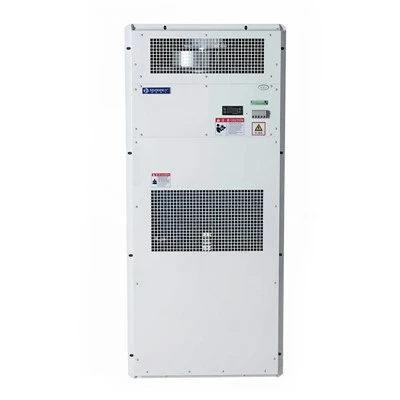

Hey there! As a supplier of Telecom Cabinet Air Conditioners, I often get asked this question: Can a telecom cabinet air conditioner be integrated with a building's HVAC system? Well, let's dive right into it and explore the ins and outs of this topic.
First off, let's understand what a telecom cabinet air conditioner does. These units are specifically designed to keep the equipment inside telecom cabinets at an optimal temperature. Telecom cabinets house a whole bunch of sensitive electronic components that generate heat. If the temperature inside the cabinet gets too high, it can lead to malfunctions, reduced lifespan of the equipment, and even complete system failures. That's where our Telecom Cabinet Air Conditioner comes in handy. It's built to efficiently cool the cabinet and maintain a stable environment for the electronics.
On the other hand, a building's HVAC (Heating, Ventilation, and Air Conditioning) system is responsible for regulating the temperature, humidity, and air quality throughout the entire building. It's a much larger - scale system that caters to the comfort of the people inside the building and the proper functioning of other equipment in different areas.
Now, the big question is whether these two systems can be integrated. There are a few factors to consider.
Compatibility
One of the main concerns is the compatibility of the telecom cabinet air conditioner with the building's HVAC system. The operating parameters of the two systems may be quite different. Telecom cabinet air conditioners are designed to maintain very specific temperature and humidity levels for the electronics. For example, they might need to keep the temperature within a narrow range, say between 20 - 25 degrees Celsius, and the humidity at a low level to prevent condensation on the electronic components.
In contrast, a building's HVAC system is usually set to provide a comfortable environment for human occupants, which means a broader temperature range, typically around 18 - 26 degrees Celsius, and a higher humidity level. So, finding a way to make these two systems work together while still meeting the requirements of both the telecom equipment and the building's occupants can be a challenge.
Control Systems
Another aspect to think about is the control systems. Telecom cabinet air conditioners often have their own dedicated control systems that monitor the temperature and humidity inside the cabinet and adjust the cooling accordingly. The building's HVAC system also has its own control mechanisms to manage the overall building climate.
Integrating these control systems would require some technical know - how. We'd need to ensure that the signals from the telecom cabinet sensors can be properly communicated to the building's HVAC control system and vice versa. This might involve some programming and the use of communication protocols to make the two systems "talk" to each other.
Benefits of Integration
If we can overcome the compatibility and control system challenges, there are some potential benefits to integrating a telecom cabinet air conditioner with a building's HVAC system.
Energy Efficiency
One of the biggest advantages is energy efficiency. By integrating the two systems, we can potentially optimize the use of energy. For example, if the building's HVAC system has excess cooling capacity, it could be used to assist the telecom cabinet air conditioner. This way, we're not running two separate systems at full capacity all the time, which can save a significant amount of energy and reduce electricity bills.
Maintenance and Monitoring
Integrating the systems also makes maintenance and monitoring easier. Instead of having to monitor and maintain two separate systems, technicians can use a single platform to keep an eye on both the telecom cabinet air conditioner and the building's HVAC system. This can lead to quicker detection of problems and more efficient maintenance procedures.
Challenges in Integration
However, there are also some significant challenges that come with integration.
Cost
The initial cost of integrating the two systems can be quite high. We need to invest in the necessary hardware and software to make the connection between the telecom cabinet air conditioner and the building's HVAC system. There might also be some additional installation and setup costs involved.


System Complexity
Integrating the systems adds a layer of complexity. If something goes wrong, it can be more difficult to troubleshoot because we're dealing with a combined system rather than two separate ones. This means that technicians need to have a more in - depth understanding of both the telecom cabinet air conditioner and the building's HVAC system.
Real - World Applications
In some cases, integration has been successfully achieved. For example, in large data centers where there are multiple telecom cabinets and a large - scale HVAC system, companies have managed to integrate the cooling systems. They've used advanced control algorithms to balance the cooling needs of the cabinets and the overall building.
But in smaller buildings or facilities with less sophisticated HVAC systems, integration might not be as practical. It really depends on the specific requirements of the telecom equipment and the capabilities of the building's HVAC system.
Other Cooling Options
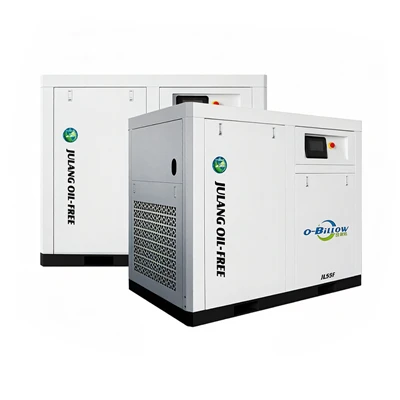
If integration isn't feasible, there are other cooling options available. We offer Electrical Cabinet Cooling Unit which are standalone units that can be installed directly on the telecom cabinets. These units are designed to provide efficient cooling without the need for integration with a building's HVAC system.
We also have Air Conditioning Fresh Air Unit which can be used to bring in fresh air and improve the air quality inside the cabinet. These units can work in conjunction with the telecom cabinet air conditioner to provide a more comprehensive cooling solution.
Conclusion
So, can a telecom cabinet air conditioner be integrated with a building's HVAC system? The answer is that it's possible, but it comes with its own set of challenges. It depends on factors like compatibility, control systems, cost, and the specific requirements of the telecom equipment and the building.
If you're considering integrating your telecom cabinet air conditioner with your building's HVAC system, or if you're looking for standalone cooling solutions, we're here to help. Our team of experts can assess your needs and provide you with the best possible solution. Whether it's integration or a different cooling option, we've got you covered.
If you're interested in learning more about our products or discussing a potential purchase, don't hesitate to reach out. We're always happy to have a chat and find the right solution for you.
References
- ASHRAE Handbook - HVAC Systems and Equipment
- Industry reports on telecom cabinet cooling and building HVAC integration