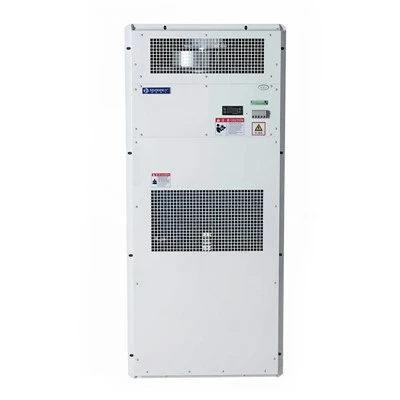

Selecting the optimal location for installing a cabinet air conditioner is a crucial decision that can significantly impact its performance, efficiency, and longevity. As a leading cabinet air conditioner supplier, we understand the importance of this choice and are here to guide you through the process.
Understanding the Basics of Cabinet Air Conditioners
Before delving into the best installation places, it's essential to grasp how cabinet air conditioners work. These units are designed to cool the interior of electrical cabinets, computer cabinets, or other enclosed spaces where heat - sensitive equipment is stored. By removing excess heat, they prevent overheating, which can lead to equipment failure, reduced lifespan, and increased maintenance costs.
There are different types of cabinet air conditioners available in the market, such as Electrical Cabinet Cooling Unit, which is specifically engineered to protect electrical components from heat damage. Additionally, Dc Cabinet Air Conditioner offers energy - efficient cooling for cabinets operating on direct current power sources. The Computer Cabinet Air Conditioner is tailored to meet the cooling needs of computer servers and other IT equipment.
Factors to Consider When Choosing an Installation Location
- Ventilation
- Adequate ventilation is the primary factor to consider. The cabinet air conditioner requires a proper intake of fresh air and an unobstructed exhaust path. When installing the unit, ensure that there is at least a few inches of clearance around the air intake and exhaust vents. For example, if the air intake is blocked by dust, debris, or other objects, the unit will struggle to draw in fresh air, reducing its cooling capacity and efficiency. Similarly, if the exhaust is restricted, the hot air cannot be effectively expelled, leading to a buildup of heat inside the cabinet.
- Ideal locations are those with natural air circulation. Avoid installing the cabinet air conditioner in a corner or a cramped space where air movement is limited. A well - ventilated area allows the unit to operate at its optimal level, improving its performance and reducing energy consumption.
- Accessibility
- Accessibility is another critical aspect. The installation site should provide easy access for maintenance and repair. Technicians need to be able to reach the unit's controls, filters, and other components without difficulty. For instance, if the air filters are difficult to access, they may not be cleaned or replaced regularly, which can lead to reduced air quality and increased wear on the unit.
- It is also important to consider future expansion or upgrades. If there is a possibility that the cabinet will need additional cooling capacity in the future, the installation location should allow for easy replacement or addition of air conditioning units.
- Temperature and Humidity
- The ambient temperature and humidity of the installation location can affect the performance of the cabinet air conditioner. The unit should be installed in an area where the ambient temperature is within its operating range. Extreme temperatures, either too hot or too cold, can cause the unit to malfunction or operate inefficiently.
- High humidity levels can also pose problems. Moisture can accumulate inside the cabinet, leading to corrosion of electrical components. To mitigate this, the installation location should have proper humidity control or the air conditioner should be equipped with a dehumidification function.
- Proximity to Heat Sources
- Keep the cabinet air conditioner away from direct heat sources such as radiators, furnaces, or direct sunlight. Heat from these sources will increase the load on the air conditioner, forcing it to work harder and consume more energy. For example, if the cabinet is placed near a window where it receives direct sunlight for several hours a day, the internal temperature of the cabinet will rise significantly, and the air conditioner will have to work overtime to maintain the desired temperature.
- Additionally, avoid installing the unit in areas where there are large - scale industrial processes that generate a lot of heat, such as foundries or welding shops.
Best Places to Install Cabinet Air Conditioners
- Wall - Mounted Installation
- Wall - mounted cabinet air conditioners are a popular choice for many applications. This installation method offers several advantages. Firstly, it saves floor space, which is especially important in areas where space is limited. Secondly, it can provide better air circulation as the unit is elevated.
- When installing a wall - mounted cabinet air conditioner, choose a sturdy wall that can support the weight of the unit. The wall should also be located away from any potential sources of vibration or shock. For example, avoid mounting the unit on a wall near a heavy - machinery area where vibrations could damage the unit over time.
- Top - Mounted Installation
- For cabinets with limited side or front space, top - mounted installation can be a great option. This type of installation allows the hot air to rise and be expelled directly from the top of the cabinet, taking advantage of the natural convection process.
- However, top - mounted units need to be carefully installed to ensure proper sealing and to prevent water ingress in case of condensation. The top of the cabinet should be flat and strong enough to support the weight of the air conditioner.
- Remote - Mounted Installation
- In some cases, a remote - mounted cabinet air conditioner may be the best solution. This is particularly useful when the cabinet is located in a harsh environment, such as a dusty or corrosive area. The air conditioner can be installed in a separate, more controlled location, and connected to the cabinet via ductwork.
- Remote - mounted installations require careful planning of the ductwork to minimize pressure losses and ensure efficient air distribution. The ductwork should be properly insulated to prevent heat gain or loss during the air - transfer process.
Impact of Installation Location on Energy Efficiency
The installation location of a cabinet air conditioner has a direct impact on its energy efficiency. A well - chosen location can reduce the energy consumption of the unit by up to 30%. For example, when the air conditioner is installed in a well - ventilated area with proper clearance around the vents, it can operate more efficiently as it can easily draw in fresh air and expel hot air.
In contrast, a poorly installed unit may have to work harder to achieve the same cooling effect, resulting in higher energy bills. For instance, if the unit is installed near a heat source, it will constantly be exposed to additional heat, forcing it to run continuously at a higher capacity.
Conclusion
Selecting the best place to install a cabinet air conditioner is a multi - faceted decision that involves considering factors such as ventilation, accessibility, temperature and humidity, and proximity to heat sources. As a cabinet air conditioner supplier, we recommend carefully evaluating your specific requirements and the characteristics of the installation site before making a choice.
Whether you need a Electrical Cabinet Cooling Unit, Dc Cabinet Air Conditioner, or Computer Cabinet Air Conditioner, our team of experts can provide you with professional advice on the optimal installation location. If you are interested in purchasing our high - quality cabinet air conditioners or have any questions about installation, please do not hesitate to contact us for procurement and further discussions.


References
- ASHRAE Handbook - HVAC Systems and Equipment. American Society of Heating, Refrigerating and Air - Conditioning Engineers.
- "Cabinet Cooling Systems: A Comprehensive Guide." Industry Research Report.
- Manufacturer's installation manuals for cabinet air conditioners.