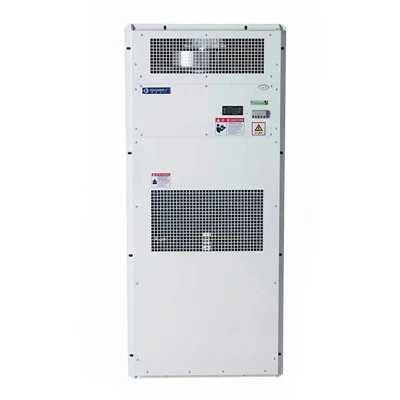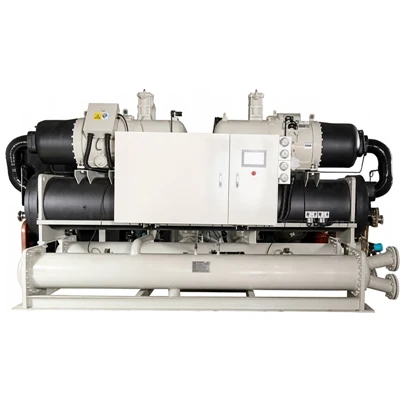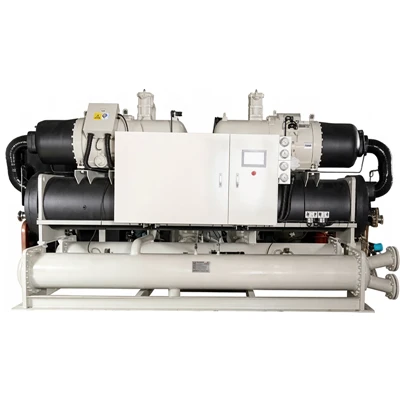

As a supplier of control cabinet air conditioners, I often get asked about the power consumption of these units. It's a crucial aspect for anyone looking to manage costs and ensure efficient operation of their control cabinets. So, let's dive into what affects the power consumption of a control cabinet air conditioner and how you can make informed decisions.
Factors Affecting Power Consumption
Cooling Capacity
The cooling capacity of an air conditioner is measured in British Thermal Units (BTUs) or watts. A higher cooling capacity means the unit can remove more heat from the cabinet. Naturally, an air conditioner with a larger cooling capacity will consume more power. For example, if you have a small control cabinet with minimal heat generation, a unit with a lower cooling capacity will suffice and use less power. On the other hand, a large industrial control cabinet with multiple high - power components will require a high - capacity air conditioner, which will draw more electricity.
Insulation of the Cabinet
The insulation of the control cabinet plays a significant role in power consumption. A well - insulated cabinet retains the cool air inside and reduces the heat transfer from the outside environment. This means the air conditioner doesn't have to work as hard to maintain the desired temperature, resulting in lower power consumption. If the cabinet has poor insulation, the air conditioner will constantly run to compensate for the heat infiltration, leading to increased power usage.
Ambient Temperature
The temperature of the surrounding environment where the control cabinet is located also impacts power consumption. In a hot climate, the air conditioner has to work harder to cool the cabinet to the set temperature. For instance, if the ambient temperature is 35°C (95°F), the air conditioner will consume more power compared to when the ambient temperature is 20°C (68°F).


Efficiency of the Air Conditioner
The efficiency of the control cabinet air conditioner is another key factor. Modern air conditioners are designed to be more energy - efficient, with features like variable speed compressors and intelligent control systems. These units can adjust their operation based on the actual cooling needs, reducing power consumption. Older or less efficient models may consume more power even when providing the same level of cooling.
Calculating Power Consumption
To calculate the power consumption of a control cabinet air conditioner, you need to know the power rating of the unit, which is usually given in watts. You can find this information on the product label or in the user manual. The power consumption (in kilowatt - hours, kWh) can be calculated using the following formula:
Power consumption (kWh) = Power rating (kW) × Operating time (hours)
For example, if an air conditioner has a power rating of 1 kW and runs for 8 hours a day, the daily power consumption will be 1 kW × 8 hours = 8 kWh.
Different Types of Control Cabinet Air Conditioners and Their Power Consumption
Outdoor Cabinet Air Conditioner
Outdoor Cabinet Air Conditioner are designed to withstand harsh outdoor conditions. They typically have a higher cooling capacity to deal with the higher ambient temperatures and larger cabinets. As a result, their power consumption can be relatively high. However, many modern outdoor cabinet air conditioners are equipped with energy - saving features to reduce this.
Under Cabinet Air Conditioner
Under Cabinet Air Conditioner are usually used for smaller control cabinets. They have a lower cooling capacity and, therefore, consume less power. These units are ideal for applications where space is limited and the heat load is not too high.
Dc Cabinet Air Conditioner
Dc Cabinet Air Conditioner are powered by direct current. They are often used in applications where there is a need for a reliable power source, such as in remote locations or in systems with a DC power supply. The power consumption of DC cabinet air conditioners can vary depending on their size and efficiency.
Tips to Reduce Power Consumption
Proper Sizing
Make sure to choose an air conditioner with the right cooling capacity for your control cabinet. An oversized unit will cycle on and off frequently, consuming more power, while an undersized unit will run continuously to meet the cooling demand.
Regular Maintenance
Keep the air conditioner clean and well - maintained. A dirty filter or condenser can reduce the efficiency of the unit and increase power consumption. Regularly clean or replace the filters and check the condenser for any debris.
Use of Smart Controls
Invest in air conditioners with smart control systems. These systems can adjust the cooling output based on the temperature inside the cabinet, reducing unnecessary power consumption.
Why Choose Our Control Cabinet Air Conditioners
At our company, we understand the importance of power efficiency. Our control cabinet air conditioners are designed with the latest technology to provide high - performance cooling while minimizing power consumption. We offer a wide range of products, including Outdoor Cabinet Air Conditioner, Under Cabinet Air Conditioner, and Dc Cabinet Air Conditioner, to meet the diverse needs of our customers.
If you're looking for a reliable and energy - efficient control cabinet air conditioner, we'd love to have a chat with you. Whether you're a small business or a large industrial operation, we can help you find the right solution for your needs. Contact us to start a discussion about your requirements and how we can assist you in making the best choice for your control cabinet cooling.
References
- ASHRAE Handbook of Fundamentals
- Manufacturer's product manuals for control cabinet air conditioners