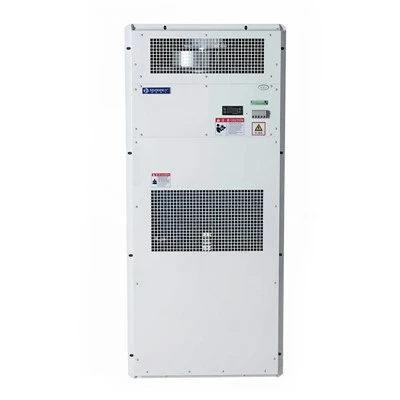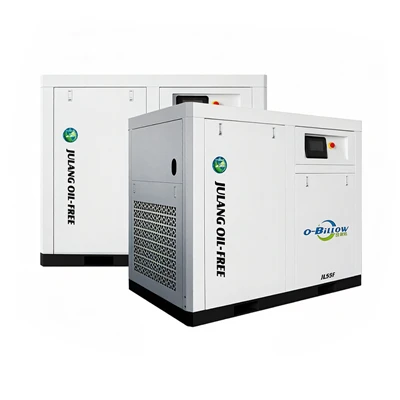

An industrial recirculating chiller is a crucial piece of equipment in various industrial applications, designed to remove heat from a process and maintain a stable temperature. As a supplier of industrial recirculating chillers, I am often asked about the startup process. In this blog, I will walk you through the step-by-step startup process of an industrial recirculating chiller, ensuring that you can operate it safely and efficiently.
Pre - Startup Checks
Before starting the industrial recirculating chiller, a series of pre - startup checks are necessary to ensure its proper functioning.


1. Visual Inspection
- Inspect the Chiller Unit: Check for any visible damage to the chiller, such as dents, cracks, or loose parts. Ensure that all panels are securely fastened. Look for signs of leaks in the refrigerant lines, water lines, and oil lines.
- Check the Electrical Connections: Examine the electrical wiring for any signs of fraying, loose connections, or overheating. Make sure that the power supply is appropriate for the chiller's requirements and that the circuit breaker is in the off position.
- Verify the Water and Refrigerant Levels: Check the water level in the reservoir or the water source connected to the chiller. For refrigerant, use the appropriate gauges to ensure that the refrigerant charge is within the recommended range.
2. System Configuration
- Set the Temperature and Pressure Parameters: Determine the required temperature and pressure settings for your industrial process. Use the control panel of the chiller to input these values accurately. Some chillers may have preset temperature and pressure ranges, so make sure to select the appropriate ones for your application.
- Check the Flow Rate: Ensure that the water or coolant flow rate is set correctly. This can usually be adjusted using valves or pumps. The flow rate is critical for efficient heat transfer and proper chiller operation.
3. Safety Checks
- Inspect Safety Devices: Check the operation of safety devices such as pressure relief valves, temperature sensors, and emergency stop buttons. These devices are designed to protect the chiller and the operators from potential hazards.
- Verify the Ventilation: Make sure that the chiller has adequate ventilation. Proper ventilation is essential for dissipating heat generated during the chiller's operation and preventing overheating.
Startup Procedure
Once the pre - startup checks are completed, you can proceed with the startup procedure.
1. Power On
- Turn on the Power Supply: Switch on the main power supply to the chiller. Wait for the control panel to initialize and display the startup menu.
- Check the Control Panel: Monitor the control panel for any error messages or warnings. If any errors are displayed, refer to the chiller's manual for troubleshooting instructions.
2. Start the Circulation Pump
- Activate the Circulation Pump: On the control panel, find the option to start the circulation pump. This pump is responsible for circulating the water or coolant through the chiller and the industrial process.
- Monitor the Flow: Check the flow rate of the water or coolant using the flow meters installed on the chiller. Ensure that the flow is stable and within the recommended range.
3. Start the Compressor
- Initiate the Compressor: After the circulation pump is running smoothly, start the compressor. The compressor is the heart of the chiller, responsible for compressing the refrigerant and facilitating the heat transfer process.
- Observe the Pressure and Temperature: Monitor the pressure and temperature gauges on the chiller. The pressure should increase gradually as the compressor starts, and the temperature of the refrigerant should change accordingly.
4. Check the Cooling Process
- Verify the Cooling Effect: As the chiller operates, check the temperature of the water or coolant leaving the chiller. It should be lower than the temperature of the water or coolant entering the chiller, indicating that the cooling process is working effectively.
- Monitor the Process Temperature: Keep an eye on the temperature of the industrial process that the chiller is cooling. The temperature should start to decrease and stabilize at the desired level.
Post - Startup Checks
After the chiller has been started and is running, perform a series of post - startup checks to ensure its continued safe and efficient operation.
1. Leak Checks
- Inspect for Leaks: Check all the connections and joints for any signs of leaks. Look for water or refrigerant seepage around the pipes, valves, and fittings. If a leak is detected, shut down the chiller immediately and repair the leak before restarting.
2. Noise and Vibration Checks
- Listen for Abnormal Noises: Listen to the chiller for any unusual noises, such as rattling, grinding, or hissing. Abnormal noises may indicate a mechanical problem or a malfunction in the chiller.
- Check for Excessive Vibration: Observe the chiller for excessive vibration. Excessive vibration can cause damage to the chiller components and may be a sign of an imbalance or misalignment.
3. System Performance Monitoring
- Monitor the Temperature and Pressure: Continuously monitor the temperature and pressure of the chiller. Make sure that the values remain within the normal operating range. If there are any significant fluctuations, investigate the cause and take appropriate action.
- Check the Energy Consumption: Keep track of the chiller's energy consumption. An increase in energy consumption may indicate a problem with the chiller's efficiency or a malfunction.
Different Types of Industrial Recirculating Chillers
There are several types of industrial recirculating chillers, each with its own startup process and characteristics.
1. Small Industrial Chiller
Small industrial chillers are suitable for applications with lower cooling requirements. They are often more compact and easier to install. The startup process for a small industrial chiller is similar to that of a larger chiller but may require less complex pre - startup checks.
2. Industrial Oil Chiller
Industrial oil chillers are designed to cool oil in industrial processes. The startup process may involve additional steps, such as checking the oil level and ensuring proper oil circulation. The temperature and pressure settings for an oil chiller may also be different from those of a water - cooled chiller.
3. Process Water Chiller
Process water chillers are used to cool water in industrial processes. They are commonly used in applications such as manufacturing, food processing, and HVAC systems. The startup process for a process water chiller focuses on ensuring proper water flow and temperature control.
Troubleshooting during Startup
Even with proper pre - startup checks, problems may occur during the startup process. Here are some common issues and their solutions:
1. No Power
- Check the Power Supply: Ensure that the power supply is connected and that the circuit breaker is not tripped. If the power supply is okay, check the electrical wiring for any faults.
- Inspect the Control Panel: If the control panel is not displaying any information, there may be a problem with the control board or the power supply to the panel.
2. Low Flow Rate
- Check the Pipes and Valves: Look for any blockages in the pipes or valves that may be restricting the flow of water or coolant. Clean or replace the affected components if necessary.
- Verify the Pump Operation: Make sure that the circulation pump is working properly. Check the pump motor for any signs of damage or overheating.
3. High Temperature
- Check the Refrigerant Charge: If the chiller is not cooling effectively, the refrigerant charge may be low. Use the appropriate gauges to check the refrigerant level and add refrigerant if necessary.
- Inspect the Heat Exchanger: A dirty or clogged heat exchanger can reduce the chiller's cooling efficiency. Clean the heat exchanger to improve heat transfer.
Conclusion
The startup process of an industrial recirculating chiller is a critical step in ensuring its safe and efficient operation. By following the pre - startup checks, startup procedure, and post - startup checks outlined in this blog, you can minimize the risk of problems and ensure that your chiller performs optimally. If you have any questions or need further assistance with the startup process or the selection of an industrial recirculating chiller, feel free to contact us for a detailed discussion and procurement negotiation.
References
- Industrial Chiller Handbook. [Publisher name], [Year of publication].
- Refrigeration and Air Conditioning Technology. [Author name], [Publisher name], [Year of publication].