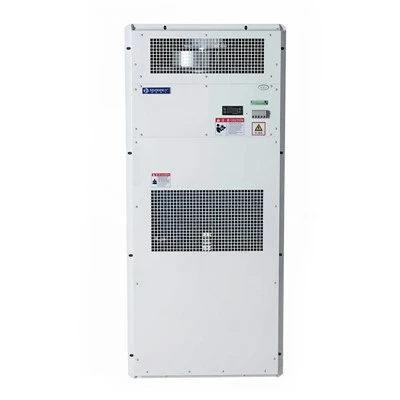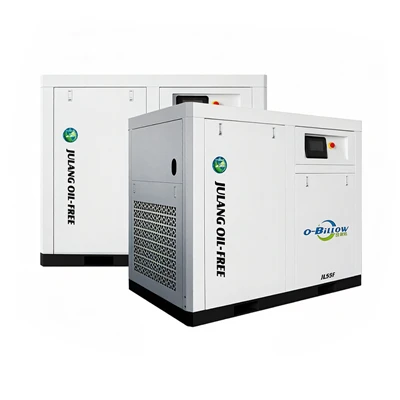

Hey there! As a supplier of Electric Water Chillers, I've dealt with all sorts of situations when it comes to transporting these nifty machines. In this blog, I'm gonna share some insights on how to transport an electric water chiller properly.
Pre - transport Checks
Before you even think about moving an electric water chiller, you gotta do a thorough check. First off, inspect the chiller for any visible damage. Look for dents, scratches, or loose parts. If you spot anything, it's best to address it right away. You don't want to ship a damaged unit and end up with an unhappy customer.
Next, make sure all the electrical connections are secure. Loose wires can cause all kinds of problems during transit. Check the power cords, control panels, and any other electrical components. If you're not sure how to do this, it's a good idea to have a professional take a look.
Also, drain the water from the chiller. Water left inside can cause corrosion and other issues during transport. Follow the manufacturer's instructions on how to properly drain the water. It might seem like a hassle, but it'll save you a lot of headaches in the long run.
Packaging
Proper packaging is crucial when it comes to transporting an electric water chiller. You want to protect it from any bumps, shocks, or vibrations that might occur during transit.
Start by wrapping the chiller in a thick layer of bubble wrap. This will provide a cushioning effect and protect the unit from minor impacts. Make sure to cover all the exposed parts, including the compressor, condenser, and evaporator.
After the bubble wrap, place the chiller in a sturdy wooden crate. The crate should be big enough to allow some extra space for additional padding. Fill the empty spaces in the crate with foam peanuts or other shock - absorbing materials. This will prevent the chiller from moving around inside the crate and getting damaged.
Label the crate clearly. Mark it as "Fragile" and include the direction of up. This will ensure that the handlers know how to handle the crate properly.
Choosing the Right Transport Method
There are a few different ways to transport an electric water chiller, and the choice depends on several factors, such as the distance, the size of the chiller, and your budget.
If you're transporting the chiller locally, a flatbed truck might be a good option. Flatbed trucks are easy to load and unload, and they provide a stable platform for the chiller. Make sure to secure the crate on the truck using straps or chains to prevent it from shifting during transit.
For longer distances, you might consider using a freight service. Freight companies have experience in transporting heavy and bulky items. They also offer different levels of service, such as door - to - door delivery or terminal - to - terminal delivery. Just make sure to choose a reputable freight company that has a good track record of handling fragile items.
If you need to transport the chiller overseas, air freight or sea freight are the main options. Air freight is faster but more expensive, while sea freight is slower but more cost - effective. When choosing between the two, consider the urgency of the delivery and your budget.
Loading and Unloading
Loading and unloading the electric water chiller require careful attention. Use proper lifting equipment, such as a forklift or a crane, to move the crate. Make sure the lifting equipment is in good working condition and that the operators are trained.
When loading the chiller onto the transport vehicle, make sure it is placed in a stable position. If using a flatbed truck, position the crate in the center of the bed to distribute the weight evenly. If using a freight container, make sure to secure the crate to the container walls to prevent it from moving during transit.
Unloading is just as important as loading. Follow the same safety procedures and use the appropriate lifting equipment. Make sure to place the chiller in a safe and stable location at the destination.
Insurance
It's always a good idea to get insurance for your electric water chiller during transport. Accidents can happen, and having insurance will give you peace of mind. Most freight companies offer insurance options, so make sure to ask about them when you're booking the transport.
Special Considerations for Different Types of Chillers
There are different types of electric water chillers, and each might have some special considerations during transport. For example, an Ultra Low Temperature Chiller requires extra care because of its sensitive components. Make sure to follow the manufacturer's specific instructions for transporting this type of chiller.
A Screw Heating Cooling Chiller is usually larger and heavier. You might need a more robust transport method and stronger packaging for this type of chiller.
Post - transport Checks
Once the chiller arrives at its destination, it's important to do another check. Inspect the chiller for any damage that might have occurred during transport. If you find any issues, document them and contact the transport company and your insurance provider right away.


Also, make sure to reinstall the water and electrical connections according to the manufacturer's instructions. Test the chiller to make sure it's working properly.
Why Choose Our Electric Water Chillers
At our company, we're not just about selling electric water chillers. We're also committed to providing the best support throughout the entire process, including transport. Our Electric Water Chillers are of high quality and designed to be durable. We work with reliable transport partners to ensure that your chiller arrives at its destination safely and on time.
If you're in the market for an electric water chiller, don't hesitate to reach out to us. We're here to answer all your questions and help you with the purchasing process. Whether you need a small chiller for a home application or a large one for an industrial setting, we've got you covered. Contact us today to start the conversation and let's find the perfect chiller for your needs.
References
- Manufacturer's manuals for electric water chillers
- Industry best practices for transporting heavy and fragile equipment