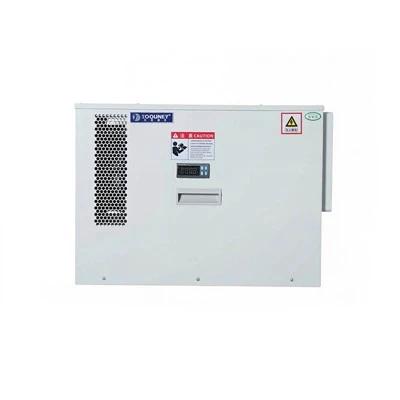

What are the running costs of an industrial oil chiller?
As a supplier of Industrial Oil Chillers, I often get asked about the running costs associated with these essential pieces of equipment. Understanding the running costs is crucial for businesses looking to optimize their operations and manage their budgets effectively. In this blog post, I'll break down the various factors that contribute to the running costs of an industrial oil chiller and provide some insights on how to minimize them.
Energy Consumption
One of the most significant components of the running costs of an industrial oil chiller is energy consumption. These chillers typically use a significant amount of electricity to operate, especially if they are running continuously. The energy consumption of an industrial oil chiller depends on several factors, including its size, efficiency, and the cooling load it needs to handle.
Larger chillers generally consume more energy than smaller ones, as they have more powerful compressors and other components. However, larger chillers also tend to be more efficient, as they can handle larger cooling loads with less energy per unit of cooling. The efficiency of a chiller is measured by its coefficient of performance (COP), which is the ratio of the cooling output to the energy input. A higher COP indicates a more efficient chiller.


The cooling load is another important factor that affects energy consumption. The cooling load is the amount of heat that needs to be removed from the oil to maintain its desired temperature. The cooling load depends on several factors, including the temperature of the oil, the flow rate of the oil, and the ambient temperature. If the cooling load is high, the chiller will need to work harder and consume more energy to maintain the desired temperature.
To minimize energy consumption, it's important to choose an industrial oil chiller that is the right size for your application. Oversizing a chiller can lead to higher energy consumption, as the chiller will be running at a lower efficiency. Undersizing a chiller can also lead to higher energy consumption, as the chiller will need to work harder to meet the cooling load. It's also important to choose a chiller with a high COP, as this will reduce the energy consumption per unit of cooling.
Maintenance and Repairs
Another significant component of the running costs of an industrial oil chiller is maintenance and repairs. Like any piece of equipment, industrial oil chillers require regular maintenance to ensure they are operating efficiently and reliably. Maintenance tasks typically include cleaning the condenser and evaporator coils, checking the refrigerant levels, and lubricating the moving parts.
Regular maintenance can help prevent breakdowns and extend the lifespan of the chiller. However, maintenance also comes with a cost, including the cost of labor and the cost of replacement parts. The frequency of maintenance depends on several factors, including the type of chiller, the operating conditions, and the manufacturer's recommendations.
In addition to regular maintenance, industrial oil chillers may also require repairs from time to time. Repairs can be costly, especially if they involve major components such as the compressor or the condenser. To minimize the risk of breakdowns and repairs, it's important to choose a chiller from a reputable manufacturer and to follow the manufacturer's maintenance recommendations.
Refrigerant Costs
Refrigerants are used in industrial oil chillers to absorb heat from the oil and transfer it to the environment. The cost of refrigerants can be a significant component of the running costs of an industrial oil chiller, especially if the chiller uses a high-cost refrigerant.
The cost of refrigerants has been increasing in recent years due to environmental regulations and the phase-out of certain refrigerants. To minimize refrigerant costs, it's important to choose a chiller that uses a low-cost refrigerant and to ensure that the refrigerant is properly maintained and monitored.
Water Costs
Some industrial oil chillers use water as a cooling medium. The cost of water can be a significant component of the running costs of these chillers, especially if the water is used in large quantities.
To minimize water costs, it's important to choose a chiller that uses a water-saving design and to ensure that the water is properly treated and recycled. Some chillers use a closed-loop system, which recirculates the water and reduces the amount of water that needs to be replaced.
Other Costs
In addition to the factors mentioned above, there may be other costs associated with the running of an industrial oil chiller. These costs may include the cost of electricity for the control panel, the cost of insulation, and the cost of noise reduction measures.
To minimize these costs, it's important to choose a chiller that is designed to be energy-efficient and to ensure that the chiller is installed in a location that is well-insulated and has low noise levels.
How to Minimize Running Costs
To minimize the running costs of an industrial oil chiller, it's important to take a holistic approach that considers all of the factors mentioned above. Here are some tips on how to minimize running costs:
- Choose the right size chiller: Make sure the chiller is the right size for your application to avoid over-sizing or under-sizing.
- Choose a high-efficiency chiller: Look for a chiller with a high COP to reduce energy consumption.
- Follow the manufacturer's maintenance recommendations: Regular maintenance can help prevent breakdowns and extend the lifespan of the chiller.
- Use a low-cost refrigerant: Choose a chiller that uses a low-cost refrigerant and ensure that the refrigerant is properly maintained and monitored.
- Use a water-saving design: Look for a chiller that uses a water-saving design and ensure that the water is properly treated and recycled.
- Install the chiller in a well-insulated location: This can help reduce the amount of heat transfer and lower the energy consumption.
- Use noise reduction measures: If the chiller is located in a noisy area, use noise reduction measures to reduce the impact on the environment.
Conclusion
The running costs of an industrial oil chiller can be significant, but by understanding the various factors that contribute to these costs and taking steps to minimize them, businesses can optimize their operations and manage their budgets effectively. As a supplier of Industrial Oil Chillers, I'm here to help you choose the right chiller for your application and provide you with the support you need to keep it running efficiently. If you have any questions or would like to discuss your specific requirements, please don't hesitate to contact me. We're always happy to help you find the best solution for your business.
In addition to our Industrial Oil Chillers, we also offer a range of other industrial chillers, including Small Industrial Chillers, Process Water Chillers, Marine Chiller Units, and Industrial Process Water Chillers. Each of these chillers is designed to meet the specific needs of different industries and applications.
If you're interested in learning more about our products or would like to request a quote, please contact us today. We look forward to working with you to find the best cooling solution for your business.
References
- ASHRAE Handbook - Refrigeration. American Society of Heating, Refrigerating and Air-Conditioning Engineers.
- Chiller Efficiency: A Guide for Building Owners and Managers. U.S. Department of Energy.
- Refrigerant Management Best Practices. Environmental Protection Agency.