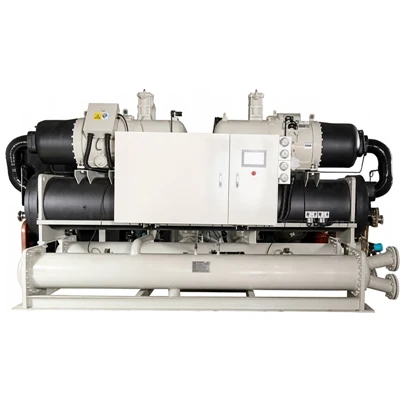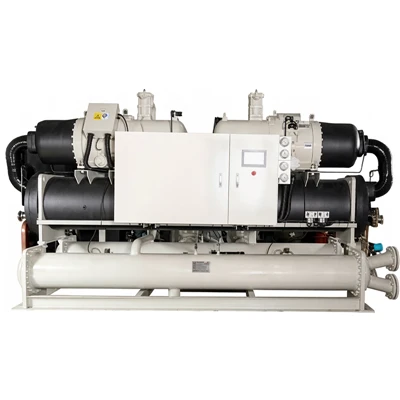

Hey there! As a supplier of electric water chillers, I often get asked about the start-up procedures for these nifty machines. So, I thought I'd share a detailed guide on what you need to do to get your electric water chiller up and running smoothly.
Pre - start - up Checks
Before you even think about hitting that start button, there are a bunch of things you need to check. First off, take a good look at the physical condition of the chiller. Make sure there are no visible signs of damage, like dents, leaks, or loose parts. Check all the pipes and connections to ensure they're tight and secure. You don't want any refrigerant or water leaks, as that can not only mess up the chiller's performance but also be a safety hazard.
Next, check the electrical connections. The power supply should be stable and match the chiller's requirements. Look for any frayed wires or loose terminals. It's a good idea to use a voltage tester to confirm that the voltage is within the acceptable range. If you're not confident in doing this yourself, it's best to call in a professional electrician.
Another important thing is to check the refrigerant levels. Low refrigerant can cause the chiller to work inefficiently or even break down. You can usually find the recommended refrigerant levels in the chiller's manual. If the levels are low, you'll need to add more refrigerant, but this is a job for a qualified technician.
Filling the Water System
Once you've completed the pre - start - up checks, it's time to fill the water system. First, make sure the water source is clean and free from debris. You can use a water filter if necessary. Open the water inlet valve and start filling the system. Keep an eye on the water level gauge. You want to fill it to the recommended level, which is usually marked on the gauge.
While filling the water system, it's a good idea to bleed the air out of the system. Air in the water system can cause problems like reduced heat transfer and noisy operation. You can do this by opening the air vents located at the high points of the system. Once the water starts flowing out of the vents, close them.
Starting the Chiller
Now that the water system is filled and the pre - start - up checks are done, it's time to start the chiller. First, turn on the power switch. You'll usually see some indicator lights come on, which means the chiller is getting power. Wait for a few minutes for the chiller to initialize.
After the initialization process, you can set the desired temperature on the control panel. Most electric water chillers have a digital control panel where you can easily adjust the temperature settings. Make sure to set the temperature according to your specific needs.
Once you've set the temperature, press the start button. The compressor will start running, and you'll hear the sound of the refrigerant flowing through the system. The chiller will start cooling the water, and you should see the temperature on the control panel start to drop.
Monitoring the Chiller
After starting the chiller, it's important to monitor its operation closely. Keep an eye on the temperature, pressure, and flow rate. The temperature should be within the set range, and the pressure and flow rate should be stable. If you notice any abnormal readings, like a sudden increase in temperature or a drop in pressure, it could be a sign of a problem.
Check the chiller regularly for any signs of leaks or unusual noises. If you hear any strange noises, like rattling or hissing, it could indicate a mechanical problem. In such cases, it's best to stop the chiller immediately and call a technician.


Maintenance and Troubleshooting
Regular maintenance is key to keeping your electric water chiller in good working condition. Make sure to clean the condenser and evaporator coils regularly to remove any dirt or debris. This will help improve the chiller's efficiency.
If you encounter any problems with the chiller, don't panic. Most issues can be resolved with a little troubleshooting. Check the control panel for any error codes. The error codes can give you a clue about what's wrong with the chiller. You can refer to the chiller's manual for a list of error codes and their solutions.
If you're still having trouble, don't hesitate to contact us. We're here to help you with any questions or issues you may have. As a supplier of Electric Water Chiller, we have a team of experts who can provide you with the support you need.
Conclusion
Starting up an electric water chiller may seem a bit complicated at first, but if you follow these steps, you'll be able to get it up and running smoothly. Remember to do the pre - start - up checks, fill the water system properly, start the chiller correctly, and monitor its operation closely. And don't forget about regular maintenance and troubleshooting.
If you're in the market for an electric water chiller, we have a wide range of options to choose from. Whether you need a Water Chiller for Industrial Use or an Ultra Low Temperature Chiller, we've got you covered.
If you're interested in learning more about our products or have any questions about the start - up procedures, feel free to reach out to us. We'd love to have a chat with you and help you find the perfect chiller for your needs.
References
- Manufacturer's manual for electric water chillers
- Industry standards for refrigeration systems