
As a supplier of small industrial chillers, I often get asked whether these units are easy to repair. The answer isn't a simple yes or no; it depends on several factors, including the chiller's design, the nature of the problem, and the technician's expertise. In this blog, I'll delve into the intricacies of small industrial chiller repair to help you understand what to expect.
Design and Complexity
Small industrial chillers come in various designs, each with its own level of complexity. Some are relatively straightforward, with basic components that are easy to access and replace. For example, simple air - cooled chillers may have fewer parts compared to more advanced water - cooled models.
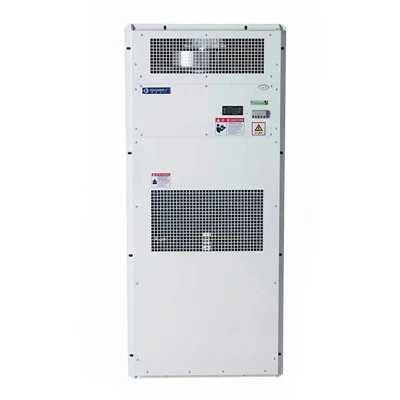
Air - cooled chillers, like the Industrial Air Cooled Water Chiller, typically have a condenser that uses air to dissipate heat. The design is often more compact and less complex than water - cooled systems. This simplicity can make repairs easier, as technicians can quickly identify and access components such as the fan, compressor, and refrigerant lines.
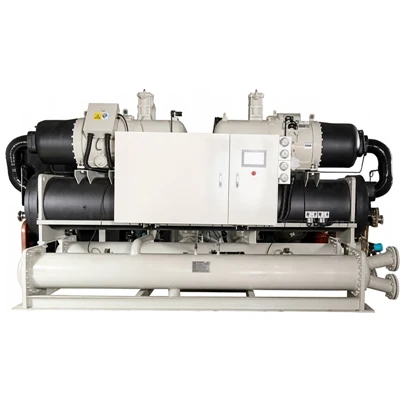
On the other hand, water - cooled chillers, such as the High Efficiency Water Cooled Chiller, are more complex. They require a water source for cooling, which means additional components like water pumps, cooling towers, and water treatment systems. These extra elements can complicate the repair process. For instance, if there is a problem with the water treatment system, it may require specialized knowledge to diagnose and fix.
Common Problems and Ease of Repair
Let's look at some of the common problems that small industrial chillers face and how easy they are to repair.
Refrigerant Leaks
Refrigerant leaks are a common issue in chillers. Detecting a leak can be challenging, as refrigerant is a gas that can escape through small holes or cracks. However, once the leak is located, the repair process can be relatively straightforward. Technicians can use leak detection tools to find the source of the leak and then repair or replace the damaged component. In some cases, a simple sealant can be used to fix a small leak, while more significant leaks may require the replacement of a refrigerant line or a component like the compressor.
Compressor Issues
The compressor is the heart of the chiller, and problems with it can be more difficult to repair. Compressor failures can be caused by various factors, such as overheating, electrical problems, or mechanical wear and tear. If the compressor is damaged beyond repair, it may need to be replaced. This is a more complex and costly repair, as it requires specialized tools and knowledge.
Electrical Problems
Electrical problems are also common in small industrial chillers. Issues such as faulty wiring, blown fuses, or malfunctioning control panels can disrupt the chiller's operation. Electrical problems can be relatively easy to diagnose and repair if the technician has the necessary electrical knowledge. However, working with electrical components can be dangerous, so it's important to have a qualified technician handle these repairs.
Technician Expertise
The ease of repairing a small industrial chiller also depends on the technician's expertise. A well - trained technician with experience in chiller repair will be able to diagnose problems quickly and efficiently. They will have the necessary tools and knowledge to handle a wide range of issues, from simple refrigerant leaks to complex compressor failures.
At our company, we provide training for our technicians to ensure they are up - to - date with the latest chiller technology and repair techniques. We also encourage our technicians to stay informed about industry best practices and new developments in chiller design and repair.
Maintenance and Preventive Measures
Regular maintenance is crucial for keeping small industrial chillers in good working condition and reducing the likelihood of major repairs. Simple maintenance tasks, such as cleaning the condenser coils, checking the refrigerant levels, and inspecting the electrical connections, can help prevent many common problems.


By following a regular maintenance schedule, you can catch small issues before they turn into major problems. This not only saves you money on repairs but also extends the lifespan of your chiller.
Conclusion
In conclusion, whether small industrial chillers are easy to repair depends on a variety of factors. While some problems can be easily fixed, others may require more complex repairs and specialized knowledge. However, with proper maintenance and the help of a qualified technician, many issues can be resolved efficiently.
If you're in the market for a Chiller for Industrial Use, or if you have an existing chiller that needs repair or maintenance, we're here to help. Our team of experts has the knowledge and experience to provide you with the best solutions for your chiller needs. Contact us to discuss your requirements and start a procurement negotiation.
References
- ASHRAE Handbook of Refrigeration.
- Manufacturer's manuals for small industrial chillers.