
How does the water flow rate affect the performance of an electric water chiller?
As a supplier of electric water chillers, I've had the privilege of witnessing firsthand the intricate relationship between water flow rate and the performance of these essential cooling systems. In this blog, I'll delve into the science behind this relationship, explore the implications for various applications, and share some practical insights to help you optimize your chiller's performance.
Understanding the Basics of Electric Water Chillers
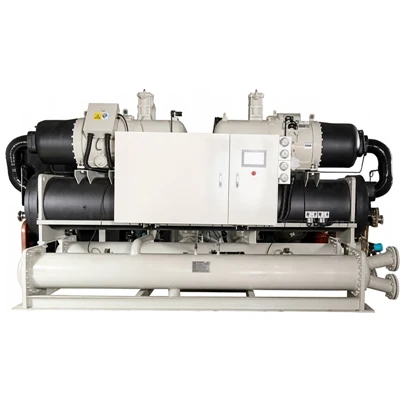
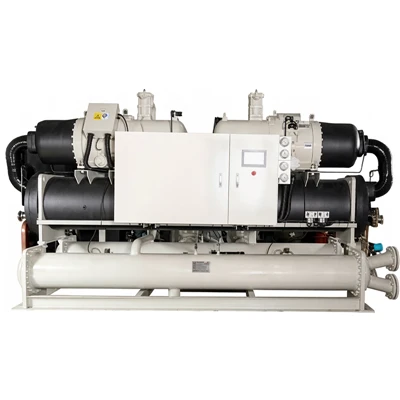
Before we dive into the impact of water flow rate, let's briefly review how electric water chillers work. These systems use a refrigeration cycle to remove heat from water, which is then circulated through a building or industrial process to provide cooling. The basic components of an electric water chiller include a compressor, condenser, evaporator, and expansion valve.
The compressor compresses the refrigerant gas, raising its temperature and pressure. The high-pressure gas then flows to the condenser, where it releases heat to the surrounding environment and condenses into a liquid. The liquid refrigerant then passes through the expansion valve, which reduces its pressure and temperature. Finally, the low-pressure refrigerant enters the evaporator, where it absorbs heat from the water and evaporates back into a gas. This cycle repeats continuously to maintain a constant temperature in the water.
The Role of Water Flow Rate
Water flow rate plays a crucial role in the performance of an electric water chiller. It affects several key aspects of the system, including heat transfer efficiency, cooling capacity, and energy consumption.
Heat Transfer Efficiency
One of the primary functions of an electric water chiller is to transfer heat from the water to the refrigerant. The rate at which this heat transfer occurs is directly proportional to the water flow rate. A higher water flow rate means more water is in contact with the evaporator coils, allowing for more efficient heat transfer. This results in a lower temperature difference between the water and the refrigerant, which improves the overall efficiency of the chiller.
Conversely, a lower water flow rate can reduce heat transfer efficiency. When the water flow rate is too low, the water may not be able to carry away enough heat from the evaporator coils, causing the refrigerant temperature to rise. This can lead to a decrease in cooling capacity and an increase in energy consumption.
Cooling Capacity
The cooling capacity of an electric water chiller is the amount of heat it can remove from the water per unit of time. Water flow rate has a significant impact on cooling capacity. A higher water flow rate allows the chiller to remove more heat from the water, increasing its cooling capacity. This is particularly important in applications where large amounts of heat need to be removed, such as industrial processes or large commercial buildings.
On the other hand, a lower water flow rate can reduce the cooling capacity of the chiller. If the water flow rate is too low, the chiller may not be able to keep up with the heat load, resulting in a rise in water temperature. This can lead to discomfort in buildings or a decrease in productivity in industrial processes.
Energy Consumption
Energy consumption is another important factor to consider when evaluating the performance of an electric water chiller. Water flow rate can have a significant impact on energy consumption. A higher water flow rate generally requires more energy to pump the water through the system. However, it can also improve the efficiency of the chiller, resulting in a net decrease in energy consumption.
Conversely, a lower water flow rate may require less energy to pump the water, but it can also reduce the efficiency of the chiller, leading to an increase in energy consumption. Finding the optimal water flow rate is essential to minimize energy consumption while maintaining the desired cooling capacity.
Factors Affecting Water Flow Rate
Several factors can affect the water flow rate in an electric water chiller system. These include the size and capacity of the chiller, the type of piping used, the presence of valves and fittings, and the pressure drop across the system.
Chiller Size and Capacity
The size and capacity of the chiller play a significant role in determining the optimal water flow rate. Larger chillers typically require a higher water flow rate to achieve the desired cooling capacity. It's important to select a chiller that is appropriately sized for your application to ensure efficient operation.
Piping System
The type and size of the piping used in the chiller system can also affect the water flow rate. Larger diameter pipes generally have a lower pressure drop, allowing for a higher water flow rate. Additionally, the presence of bends, elbows, and other fittings can increase the pressure drop and reduce the water flow rate. It's important to design the piping system carefully to minimize pressure drop and ensure efficient water flow.


Valves and Fittings
Valves and fittings are used to control the flow of water in the chiller system. The type and size of the valves and fittings can affect the water flow rate. For example, a throttling valve can be used to reduce the water flow rate, while a bypass valve can be used to increase the water flow rate. It's important to select the appropriate valves and fittings for your application to ensure accurate control of the water flow rate.
Pressure Drop
Pressure drop is the difference in pressure between the inlet and outlet of the chiller system. It is caused by the resistance of the piping, valves, and fittings to the flow of water. A higher pressure drop can reduce the water flow rate and increase the energy consumption of the system. It's important to minimize the pressure drop in the chiller system to ensure efficient operation.
Optimizing Water Flow Rate for Electric Water Chillers
To optimize the performance of an electric water chiller, it's important to find the optimal water flow rate. This can be achieved by considering the factors discussed above and following these best practices:
Select the Right Chiller
Choose a chiller that is appropriately sized for your application. A chiller that is too small may not be able to provide the desired cooling capacity, while a chiller that is too large may operate inefficiently.
Design the Piping System Carefully
Use large diameter pipes and minimize the number of bends, elbows, and other fittings to reduce the pressure drop and ensure efficient water flow.
Install the Right Valves and Fittings
Select the appropriate valves and fittings for your application to ensure accurate control of the water flow rate.
Monitor and Adjust the Water Flow Rate
Regularly monitor the water flow rate and adjust it as needed to ensure optimal performance. This can be done using flow meters and control valves.
Applications and Considerations
The impact of water flow rate on the performance of an electric water chiller can vary depending on the application. Here are some common applications and considerations:
Commercial Buildings
In commercial buildings, electric water chillers are used to provide cooling for offices, retail spaces, and other areas. The water flow rate should be optimized to ensure comfortable indoor temperatures while minimizing energy consumption. It's important to consider the size of the building, the number of occupants, and the heat load when selecting a chiller and determining the optimal water flow rate.
Industrial Processes
In industrial processes, electric water chillers are used to cool equipment and maintain a constant temperature in the process. The water flow rate should be optimized to ensure efficient operation of the equipment and to prevent overheating. It's important to consider the specific requirements of the process, such as the temperature range, the flow rate, and the pressure drop, when selecting a chiller and determining the optimal water flow rate.
Laboratory Applications
In laboratory applications, electric water chillers are used to provide precise temperature control for experiments and equipment. The water flow rate should be optimized to ensure accurate temperature control and to prevent fluctuations in temperature. It's important to consider the specific requirements of the laboratory, such as the temperature range, the accuracy of the temperature control, and the flow rate, when selecting a chiller and determining the optimal water flow rate.
Conclusion
In conclusion, water flow rate plays a crucial role in the performance of an electric water chiller. It affects heat transfer efficiency, cooling capacity, and energy consumption. By understanding the factors that affect water flow rate and following best practices to optimize it, you can ensure the efficient operation of your chiller and minimize energy consumption.
If you're in the market for an electric water chiller, we offer a wide range of products to meet your needs. Our Screw Heating Cooling Chiller is a high-performance option for commercial and industrial applications. For laboratory applications, we recommend our Laboratory High and Low Temperature Refrigeration Unit. And if you need low-temperature refrigeration equipment, our Low Temp Refrigeration Equipment is the perfect choice.
We're here to help you select the right chiller for your application and provide you with the support you need to ensure its optimal performance. Contact us today to learn more about our products and services and to start a conversation about your cooling needs.
References
- ASHRAE Handbook - Refrigeration. American Society of Heating, Refrigerating and Air-Conditioning Engineers, Inc.
- Refrigeration and Air Conditioning Technology. William C. Whitman, William M. Johnson, John A. Tomczyk, and Eugene Silberstein.
- Thermodynamics: An Engineering Approach. Yunus A. Cengel and Michael A. Boles.