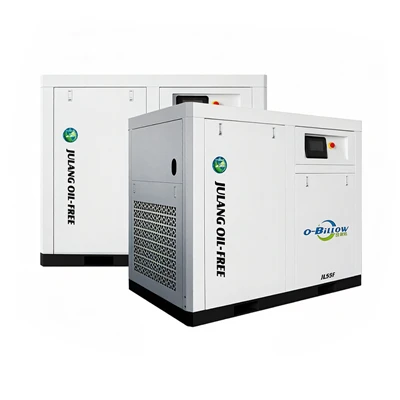

As a supplier of Vertical Screw Compressors, I am often asked about the various components and their functions within these machines. One such crucial component is the separator. In this blog, I will delve into the function of the separator in a vertical screw compressor, exploring its significance and how it contributes to the overall performance of the compressor.
Understanding the Vertical Screw Compressor
Before we discuss the separator, it's important to have a basic understanding of the vertical screw compressor. A Vertical Rotary Screw Air Compressor is a type of positive displacement compressor that uses two intermeshing screws to compress air or gas. These compressors are widely used in industrial applications due to their high efficiency, reliability, and ability to deliver a continuous supply of compressed air.
The compression process in a vertical screw compressor involves the intake of air or gas into the compressor chamber, where it is compressed between the rotating screws. As the air is compressed, it heats up, and oil is injected into the chamber to cool the air, lubricate the screws, and seal the clearances between the screws and the compressor housing. The compressed air and oil mixture then exits the compressor chamber and enters the separator.
The Function of the Separator
The separator in a vertical screw compressor plays a vital role in separating the oil from the compressed air. The main functions of the separator are as follows:
1. Oil Separation
The primary function of the separator is to separate the oil from the compressed air. When the compressed air and oil mixture enters the separator, it passes through a series of baffles and filters. The baffles cause the air to change direction, which helps to separate the larger oil droplets from the air. The filters then further remove the smaller oil droplets, ensuring that the compressed air leaving the separator is virtually oil-free.
2. Pressure Regulation
The separator also helps to regulate the pressure of the compressed air. As the compressed air enters the separator, it expands, which causes the pressure to drop. The separator is designed to maintain a certain pressure level within the compressor system, ensuring that the compressed air is delivered at the desired pressure.
3. Protection of Downstream Equipment
By removing the oil from the compressed air, the separator helps to protect downstream equipment from damage. Oil in the compressed air can cause corrosion, fouling, and other problems in pneumatic tools, valves, and other equipment. The separator ensures that the compressed air is clean and dry, which helps to extend the lifespan of the downstream equipment.
4. Energy Efficiency
The separator also contributes to the energy efficiency of the compressor. By removing the oil from the compressed air, the separator reduces the load on the compressor, which in turn reduces the energy consumption. This helps to lower the operating costs of the compressor and makes it more environmentally friendly.
Types of Separators
There are two main types of separators used in vertical screw compressors: centrifugal separators and coalescing separators.
Centrifugal Separators
Centrifugal separators use centrifugal force to separate the oil from the compressed air. The compressed air and oil mixture enters the separator at a high velocity, and the centrifugal force causes the heavier oil droplets to be thrown to the outer wall of the separator. The oil then drains to the bottom of the separator, while the clean air exits through the top.
Coalescing Separators
Coalescing separators use a filter media to separate the oil from the compressed air. The compressed air and oil mixture passes through the filter media, which causes the small oil droplets to coalesce into larger droplets. The larger droplets then fall to the bottom of the separator, while the clean air exits through the top.
Maintenance of the Separator
Proper maintenance of the separator is essential to ensure its optimal performance. Here are some tips for maintaining the separator:


1. Regular Inspection
The separator should be inspected regularly to check for any signs of damage or wear. The filters should be replaced at the recommended intervals to ensure that they are functioning properly.
2. Oil Level Monitoring
The oil level in the separator should be monitored regularly to ensure that it is within the recommended range. If the oil level is too low, it can cause the compressor to overheat and damage the separator.
3. Cleaning
The separator should be cleaned regularly to remove any dirt, debris, or oil that may have accumulated. This can be done using a cleaning solution and a soft brush.
4. Replacement of Parts
If any parts of the separator are damaged or worn, they should be replaced immediately. This will help to ensure that the separator is functioning properly and that the compressed air is clean and dry.
Conclusion
In conclusion, the separator is a crucial component of a vertical screw compressor. It plays a vital role in separating the oil from the compressed air, regulating the pressure, protecting downstream equipment, and improving energy efficiency. By understanding the function of the separator and properly maintaining it, you can ensure that your vertical screw compressor is operating at its best.
If you are interested in purchasing a High Pressure Screw Air Compressor or an Industrial Rotary Screw Compressor, please feel free to contact us for more information. We are a leading supplier of vertical screw compressors and can provide you with the best products and services to meet your needs.
References
- Compressor Handbook, 3rd Edition, by Klaus Brun and Eckhard A. Stelter
- Industrial Compressor Technology, by Robert J. Dally and Robert E. Barlow
- Screw Compressor Technology, by Heinz P. Bloch and Fred K. Geitner