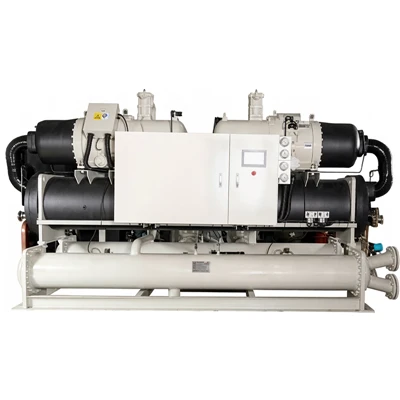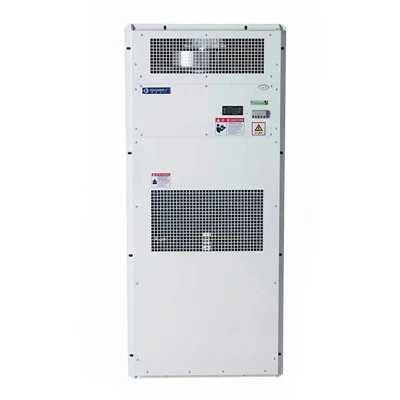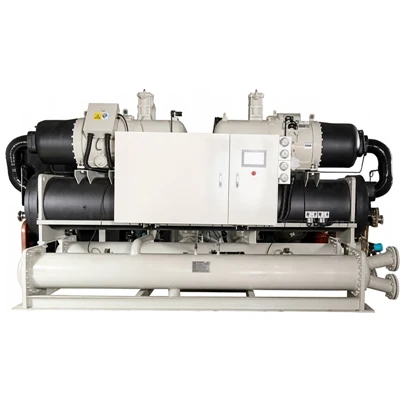

As a supplier of Screw Heating Cooling Chillers, I've seen my fair share of issues that customers run into. These machines are pretty complex, and it's normal to face some problems from time to time. In this blog, I'll go over the common problems of Screw Heating Cooling Chillers and give you some insights on how to deal with them.
1. Refrigerant Leaks
One of the most common problems with Screw Heating Cooling Chillers is refrigerant leaks. Refrigerant is like the life - blood of these chillers. It's responsible for absorbing and releasing heat, which is the whole point of the cooling and heating process.
When there's a refrigerant leak, the chiller's performance takes a nosedive. You might notice that the chiller isn't cooling or heating as effectively as it used to. The system has to work harder to achieve the desired temperature, which can lead to increased energy consumption.


There are several reasons why refrigerant leaks occur. Sometimes, it's due to poor installation. If the pipes aren't properly connected or sealed during the installation process, refrigerant can escape. Wear and tear over time can also cause leaks. The constant vibration and movement of the chiller can cause the pipes to develop cracks or holes.
To detect a refrigerant leak, you can look for signs like ice buildup on the refrigerant lines, hissing sounds near the pipes, or a sudden drop in the chiller's performance. If you suspect a leak, it's crucial to call a professional technician. They have the tools and expertise to find the leak and repair it. And of course, they'll recharge the refrigerant to the proper level.
If you're in the market for a reliable Screw Heating Cooling Chiller, we've got you covered. Our chillers are designed with high - quality materials to minimize the risk of refrigerant leaks.
2. Compressor Issues
The compressor is the heart of the Screw Heating Cooling Chiller. It's responsible for compressing the refrigerant and circulating it through the system. When the compressor has problems, the whole chiller can break down.
One common compressor problem is overheating. This can happen if the compressor is working too hard for an extended period. Maybe the chiller is set to a very low or high temperature, or there's a blockage in the refrigerant flow. Overheating can cause the compressor to fail, and it's a serious issue that needs to be addressed right away.
Another problem is compressor noise. If you hear loud, unusual noises coming from the compressor, it could be a sign of internal damage. Worn - out bearings, loose parts, or a damaged compressor motor can all cause excessive noise.
Regular maintenance is key to preventing compressor issues. Make sure to clean the compressor regularly and check for any signs of wear and tear. If you notice any problems, don't hesitate to have it serviced.
We offer top - notch Laboratory High and Low Temperature Refrigeration Unit with high - performance compressors. Our compressors are built to last and are designed to operate efficiently under various conditions.
3. Electrical Problems
Electrical problems are also quite common in Screw Heating Cooling Chillers. These can range from minor issues like blown fuses to major problems like a malfunctioning control board.
A blown fuse is usually an easy fix. It can happen due to a power surge or an electrical overload. If you find that the chiller isn't working at all, check the fuses first. Replace any blown fuses with the correct type and rating.
The control board is responsible for regulating the chiller's functions. If it malfunctions, the chiller might not operate correctly. You could experience issues like incorrect temperature settings, or the chiller might not turn on or off as it should.
To prevent electrical problems, make sure the chiller is connected to a stable power source. Avoid using extension cords or power strips, as they can cause voltage drops. And of course, have the electrical system inspected regularly by a qualified electrician.
Our Water Chiller for Industrial Use is equipped with a reliable electrical system. We use high - quality components to ensure stable and safe operation.
4. Water Flow Problems
Screw Heating Cooling Chillers often rely on water for cooling. If there are problems with the water flow, it can affect the chiller's performance.
One common issue is a clogged water filter. Over time, dirt, debris, and sediment can build up in the filter, restricting the water flow. This can cause the chiller to overheat and reduce its efficiency. It's important to clean or replace the water filter regularly to ensure proper water flow.
Another problem is a blockage in the water pipes. This can be caused by mineral deposits, rust, or foreign objects. If the water pipes are blocked, the chiller won't be able to circulate water effectively, and it can lead to overheating and other issues.
To check for water flow problems, you can look at the water pressure gauge. If the pressure is too low, it could indicate a blockage or a problem with the water pump. You can also visually inspect the water pipes for any signs of damage or blockage.
5. Condenser and Evaporator Fouling
The condenser and evaporator are important components of the Screw Heating Cooling Chiller. They are responsible for transferring heat between the refrigerant and the surrounding environment.
Over time, these components can become fouled with dirt, dust, and other contaminants. When the condenser or evaporator is fouled, it reduces the heat transfer efficiency. This means that the chiller has to work harder to achieve the desired temperature, which can lead to increased energy consumption and reduced performance.
To prevent fouling, it's important to keep the condenser and evaporator clean. You can use a soft brush or a compressed air gun to remove any dirt or debris. In some cases, you might need to use a special cleaning solution to remove stubborn deposits.
How to Deal with These Problems
If you encounter any of these problems with your Screw Heating Cooling Chiller, the first step is to stay calm. Most of these issues can be resolved with the right approach.
For minor problems like a blown fuse or a clogged water filter, you might be able to fix them yourself if you have some basic knowledge of the chiller. However, for more complex problems like compressor issues or electrical problems, it's best to call a professional technician.
Regular maintenance is also crucial to prevent these problems from occurring in the first place. Make sure to follow the manufacturer's maintenance guidelines and schedule regular inspections.
Why Choose Our Screw Heating Cooling Chillers
We take pride in our Screw Heating Cooling Chillers. Our products are designed with the latest technology and high - quality materials to ensure reliable and efficient operation. We offer a wide range of chillers to meet different customer needs, whether it's for industrial use or laboratory applications.
Our team of experts is always ready to provide you with technical support and after - sales service. If you have any questions or concerns about our products, don't hesitate to contact us. We're here to help you get the most out of your chiller.
If you're interested in purchasing a Screw Heating Cooling Chiller, or if you want to learn more about our products, feel free to reach out to us. We're looking forward to having a discussion with you about your specific requirements and how our chillers can meet them.
References
- ASHRAE Handbook - Refrigeration. American Society of Heating, Refrigerating and Air - Conditioning Engineers.
- Manufacturer's manuals for Screw Heating Cooling Chillers.