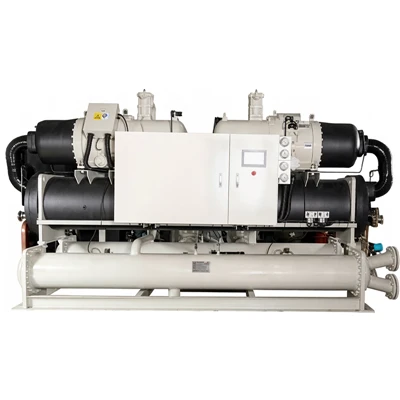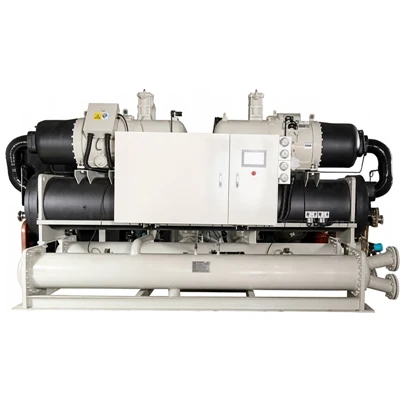

What is the water quality requirement for a screw heating cooling chiller?
As a supplier of screw heating cooling chillers, I understand the critical role that water quality plays in the efficient and reliable operation of these systems. In this blog post, I will delve into the specific water quality requirements for screw heating cooling chillers, explain why they are important, and offer some practical tips on maintaining optimal water quality.
Why Water Quality Matters for Screw Heating Cooling Chillers
Screw heating cooling chillers rely on water as a heat transfer medium. The water circulates through the chiller's evaporator and condenser coils, absorbing and releasing heat as it moves. If the water quality is poor, it can lead to a variety of problems, including:
- Scaling: Hard water contains high levels of minerals such as calcium and magnesium. When the water is heated, these minerals can precipitate out of solution and form scale on the surfaces of the chiller's coils. Scale acts as an insulator, reducing the efficiency of heat transfer and increasing the energy consumption of the chiller.
- Corrosion: Water that is too acidic or too alkaline can cause corrosion of the chiller's metal components. Corrosion can weaken the structure of the chiller, leading to leaks and other failures.
- Biological Growth: Warm, stagnant water provides an ideal environment for the growth of bacteria, algae, and other microorganisms. These organisms can form slime and biofilms on the surfaces of the chiller's coils, reducing the efficiency of heat transfer and increasing the risk of contamination.
Water Quality Requirements for Screw Heating Cooling Chillers
To ensure the efficient and reliable operation of a screw heating cooling chiller, it is important to maintain the following water quality parameters:
- pH: The pH of the water should be between 7.0 and 9.0. A pH that is too low can cause corrosion, while a pH that is too high can lead to scaling.
- Total Dissolved Solids (TDS): The TDS of the water should be less than 1000 ppm. High levels of TDS can cause scaling and corrosion.
- Hardness: The hardness of the water should be less than 150 ppm. Hard water can cause scaling on the surfaces of the chiller's coils.
- Chloride: The chloride content of the water should be less than 100 ppm. High levels of chloride can cause corrosion of the chiller's metal components.
- Sulfate: The sulfate content of the water should be less than 100 ppm. High levels of sulfate can cause scaling and corrosion.
- Iron: The iron content of the water should be less than 0.3 ppm. High levels of iron can cause corrosion and staining.
- Copper: The copper content of the water should be less than 0.2 ppm. High levels of copper can cause corrosion and staining.
Maintaining Optimal Water Quality
To maintain optimal water quality for a screw heating cooling chiller, it is important to take the following steps:
- Use a Water Treatment System: A water treatment system can help to remove impurities from the water, such as minerals, bacteria, and algae. There are several types of water treatment systems available, including reverse osmosis, ion exchange, and chemical treatment.
- Monitor Water Quality Regularly: It is important to monitor the water quality of the chiller regularly to ensure that it meets the required parameters. This can be done using a water testing kit or by sending a water sample to a laboratory for analysis.
- Perform Regular Maintenance: Regular maintenance of the chiller, including cleaning the coils and checking the water treatment system, can help to prevent problems caused by poor water quality.
- Use High-Quality Water: Whenever possible, use high-quality water, such as distilled or deionized water, in the chiller. This can help to reduce the risk of scaling, corrosion, and biological growth.
Conclusion
In conclusion, water quality is a critical factor in the efficient and reliable operation of a screw heating cooling chiller. By maintaining the appropriate water quality parameters and taking the necessary steps to prevent problems caused by poor water quality, you can ensure that your chiller operates at peak performance and has a long service life.
If you are in the market for a screw heating cooling chiller, or if you have any questions about water quality requirements, please do not hesitate to contact us. We are a leading supplier of Electric Water Chiller, Laboratory High and Low Temperature Refrigeration Unit, and Low Temp Refrigeration Equipment, and we would be happy to help you find the right solution for your needs.


References
- ASHRAE Handbook - HVAC Systems and Equipment. American Society of Heating, Refrigerating and Air-Conditioning Engineers.
- Chiller Operation and Maintenance Manual. Manufacturer's documentation.
- Water Treatment Guidelines for HVAC Systems. Industry standards and best practices.