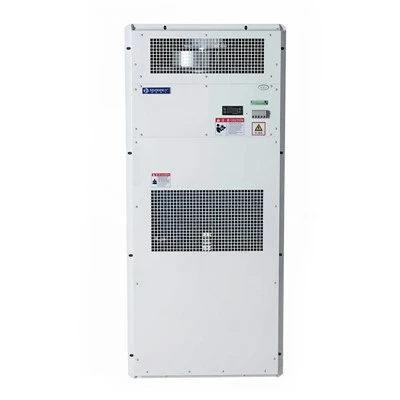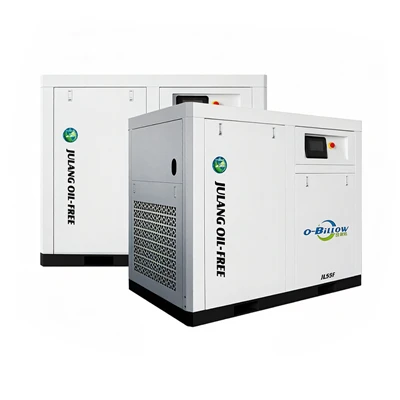

As a supplier of Vertical Screw Compressors, I've witnessed firsthand the critical role that aftercoolers play in the efficient operation of these machines. In this blog, I'll delve into the significance of aftercoolers in vertical screw compressors, exploring their functions, benefits, and impact on overall system performance.
Understanding the Basics of Vertical Screw Compressors
Before we discuss the role of aftercoolers, let's briefly review the fundamentals of vertical screw compressors. These compressors are widely used in various industrial applications due to their high efficiency, reliability, and compact design. They work by compressing air or gas between two rotating screws, which reduces the volume and increases the pressure of the fluid.
During the compression process, a significant amount of heat is generated. This heat can have several negative effects on the compressor and the compressed fluid, including reduced efficiency, increased wear and tear on components, and potential damage to downstream equipment. This is where the aftercooler comes in.
The Primary Function of an Aftercooler
The main function of an aftercooler in a vertical screw compressor is to cool the compressed air or gas after it leaves the compressor. By reducing the temperature of the compressed fluid, the aftercooler helps to remove moisture and improve the quality of the compressed air. This is crucial for many industrial applications, as moisture in the compressed air can cause corrosion, damage to pneumatic tools and equipment, and reduced performance of downstream processes.


In addition to removing moisture, cooling the compressed air also helps to increase the density of the fluid. This means that more air or gas can be stored in a given volume, which can improve the efficiency of the compressor and reduce energy consumption.
How Aftercoolers Work
Aftercoolers typically use either air or water as a cooling medium. Air-cooled aftercoolers use ambient air to cool the compressed air, while water-cooled aftercoolers use water to remove heat from the compressed fluid.
In an air-cooled aftercooler, the compressed air passes through a series of fins or tubes that are exposed to the ambient air. As the air flows over the fins, heat is transferred from the compressed air to the air, cooling the compressed fluid. Water-cooled aftercoolers, on the other hand, use a heat exchanger to transfer heat from the compressed air to the water. The water then carries the heat away from the aftercooler, either by being circulated through a cooling tower or by being discharged into a water source.
Benefits of Using an Aftercooler in a Vertical Screw Compressor
There are several benefits to using an aftercooler in a vertical screw compressor. Some of the key advantages include:
- Improved Air Quality: By removing moisture from the compressed air, aftercoolers help to improve the quality of the air, reducing the risk of corrosion and damage to downstream equipment.
- Increased Efficiency: Cooling the compressed air increases its density, which allows more air to be stored in a given volume. This can improve the efficiency of the compressor and reduce energy consumption.
- Extended Equipment Life: Reducing the temperature of the compressed air helps to reduce wear and tear on components, extending the life of the compressor and other downstream equipment.
- Enhanced Performance: By providing clean, dry air, aftercoolers can improve the performance of pneumatic tools and equipment, reducing downtime and maintenance costs.
Impact on Overall System Performance
The use of an aftercooler can have a significant impact on the overall performance of a vertical screw compressor system. By improving the quality of the compressed air, increasing efficiency, and extending equipment life, aftercoolers can help to reduce operating costs and improve productivity.
In addition, aftercoolers can also help to comply with industry standards and regulations. Many industries have specific requirements for the quality of compressed air, and the use of an aftercooler can help to ensure that these requirements are met.
Choosing the Right Aftercooler
When choosing an aftercooler for a vertical screw compressor, there are several factors to consider. These include the size and capacity of the compressor, the type of cooling medium (air or water), the operating conditions (temperature, humidity, etc.), and the specific requirements of the application.
It's important to choose an aftercooler that is properly sized and designed for the compressor and the application. An undersized aftercooler may not be able to effectively cool the compressed air, while an oversized aftercooler may be more expensive and less efficient.
Conclusion
In conclusion, the aftercooler plays a crucial role in the efficient operation of a vertical screw compressor. By cooling the compressed air, removing moisture, and improving air quality, aftercoolers help to increase efficiency, extend equipment life, and enhance overall system performance.
If you're in the market for a Vertical Screw Compressor, or if you're looking to upgrade your existing compressor system, consider the benefits of using an aftercooler. Our company offers a wide range of high-quality aftercoolers and Energy Efficient Screw Air Compressor solutions to meet your specific needs. We also provide Industrial Rotary Air Compressors that are designed for maximum efficiency and reliability.
If you have any questions or would like to discuss your compressor requirements, please don't hesitate to contact us. We're here to help you find the right solution for your business.
References
- Compressed Air and Gas Handbook, 4th Edition, by George F. Bloch and Heinz P. Bloch
- Industrial Compressed Air Systems, by Thomas A. Walsh
- Air Compressor Handbook, by Peter Scheidler