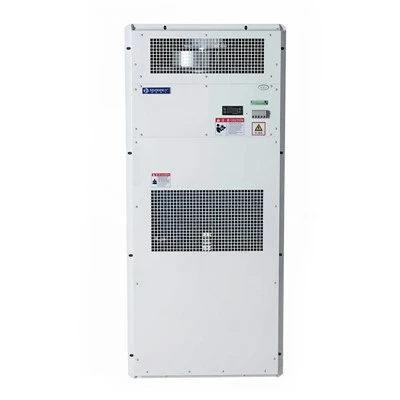

Hey there! As a supplier of Machine Tool Chillers, I know how crucial it is to keep your machine tool chiller running smoothly. One of the key aspects of maintaining these chillers is proper lubrication of their components. In this blog, I'll walk you through the steps on how to lubricate the components of a machine tool chiller correctly.
Why Lubrication Matters
Before we dive into the how-to, let's talk about why lubrication is so important. Machine tool chillers have a lot of moving parts, like pumps, compressors, and fans. These parts generate friction as they move, which can lead to wear and tear over time. Lubrication helps to reduce this friction, preventing premature damage to the components and extending the lifespan of the chiller. It also helps to improve the efficiency of the chiller by reducing the energy required to operate these moving parts.
Types of Lubricants
There are different types of lubricants available for machine tool chillers, and choosing the right one is essential. The most common types are mineral oils, synthetic oils, and greases.


- Mineral Oils: These are derived from crude oil and are a cost - effective option. They are suitable for many general - purpose applications in machine tool chillers. However, they may not perform as well in extreme temperatures or under heavy loads.
- Synthetic Oils: These are man - made and offer better performance in a wider range of temperatures and operating conditions. They have better oxidation resistance and can provide longer service life compared to mineral oils.
- Greases: Greases are a thickened form of lubricant and are often used for components that require long - term lubrication, such as bearings. They stay in place better than oils and can provide a protective barrier against contaminants.
Pre - Lubrication Checks
Before you start lubricating the components of your machine tool chiller, there are a few checks you should perform:
- Read the Manual: Every machine tool chiller comes with a user manual that provides specific instructions on lubrication. Make sure you read and understand these instructions before you begin.
- Inspect the Components: Check the components that need lubrication for any signs of damage, wear, or contamination. If you notice any issues, it's important to address them before lubricating.
- Check the Lubricant Level: If the chiller has a lubricant reservoir, check the level to see if it needs to be topped up or if a complete change is required.
Lubricating the Compressor
The compressor is one of the most important components of a machine tool chiller. Here's how you can lubricate it correctly:
- Shut Down the Chiller: Before you start working on the compressor, make sure the chiller is turned off and unplugged to avoid any electrical hazards.
- Locate the Lubrication Port: The compressor usually has a lubrication port. Refer to the manual to find its exact location.
- Clean the Port: Use a clean cloth to wipe the area around the lubrication port to prevent any dirt or debris from entering the compressor.
- Add the Lubricant: Using a suitable lubricant dispenser, add the recommended amount of lubricant to the compressor. Be careful not to over - lubricate, as this can cause problems.
- Monitor the Level: After adding the lubricant, check the level again to make sure it's within the recommended range.
Lubricating the Pumps
Pumps are responsible for circulating the coolant in the machine tool chiller. Here's how to lubricate them:
- Isolate the Pump: Turn off the power to the pump and isolate it from the rest of the system.
- Access the Lubrication Points: Some pumps have external lubrication points, while others may require disassembly to access the internal lubrication areas. Refer to the manual for guidance.
- Apply the Lubricant: Use the appropriate lubricant for the pump. For some pumps, a few drops of oil may be sufficient, while others may require more.
- Reassemble and Test: If you had to disassemble the pump, reassemble it carefully and then test it to make sure it's working properly.
Lubricating the Fans
Fans help to dissipate heat from the chiller. To lubricate them:
- Turn Off the Power: As with other components, turn off the power to the fan before you start.
- Locate the Bearings: Fans usually have bearings that need lubrication. These are often located at the ends of the fan shaft.
- Apply Grease: Use a small amount of grease on the bearings. You can use a grease gun or a small brush to apply it evenly.
- Spin the Fan: After applying the grease, spin the fan by hand to distribute the grease evenly and to make sure the fan spins freely.
Post - Lubrication Checks
After you've lubricated all the components, it's important to perform some post - lubrication checks:
- Check for Leaks: Look for any signs of lubricant leaks around the components. If you notice a leak, it could indicate a problem with the lubrication system or a damaged component.
- Test the Chiller: Turn on the chiller and let it run for a while. Monitor the performance of the chiller, including the temperature, pressure, and noise levels. If you notice any abnormal behavior, it could be a sign that something went wrong during the lubrication process.
- Keep a Record: It's a good idea to keep a record of when you lubricated the components and what type of lubricant you used. This can help you with future maintenance and troubleshooting.
Different Chiller Types and Lubrication
We also offer High Efficiency Water Cooled Chiller and Industrial Air Cooled Water Chiller. While the basic principles of lubrication are the same for all types of machine tool chillers, there may be some differences in the specific components and lubrication requirements.
- Water Cooled Chillers: These chillers have additional components related to the water cooling system, such as water pumps and heat exchangers. Make sure to follow the manufacturer's instructions for lubricating these components.
- Air Cooled Chillers: Air cooled chillers rely on fans to dissipate heat. Pay special attention to the lubrication of the fans and their bearings to ensure proper airflow.
Conclusion
Proper lubrication of the components of a machine tool chiller is essential for its smooth operation and long - term performance. By following the steps outlined in this blog and using the right lubricants, you can keep your chiller in top shape.
If you're in the market for a new machine tool chiller or need more information on lubrication and maintenance, don't hesitate to reach out. We're here to help you make the best choices for your industrial cooling needs. Let's start a conversation about your requirements and find the perfect solution for you.
References
- Manufacturer's manuals for machine tool chillers
- Industry standards and guidelines for chiller lubrication