
The laser industry has witnessed remarkable growth in recent years, with lasers being used in a wide range of applications, from manufacturing and cutting to medical treatments and scientific research. As lasers generate a significant amount of heat during operation, effective cooling is crucial to maintain their performance, reliability, and longevity. This is where industrial chillers come into play. In this blog, I'll share my insights as an industrial chiller supplier on how industrial chillers are used in the laser industry.
The Need for Cooling in the Laser Industry
Lasers work by emitting a concentrated beam of light through a process called stimulated emission. During this process, a significant amount of energy is converted into heat. If this heat is not properly managed, it can lead to several problems. For instance, excessive heat can cause thermal lensing, which distorts the laser beam and reduces its quality. It can also lead to material degradation of the laser components, shortening their lifespan and increasing maintenance costs. Moreover, high temperatures can affect the stability of the laser output, resulting in inconsistent performance.
To address these issues, lasers require a cooling system that can remove the heat generated during operation and maintain a stable operating temperature. Industrial chillers are the ideal solution for this purpose, as they can provide precise temperature control and efficient heat removal.
Types of Industrial Chillers Used in the Laser Industry
There are several types of industrial chillers that are commonly used in the laser industry, each with its own advantages and applications.
Process Water Chiller
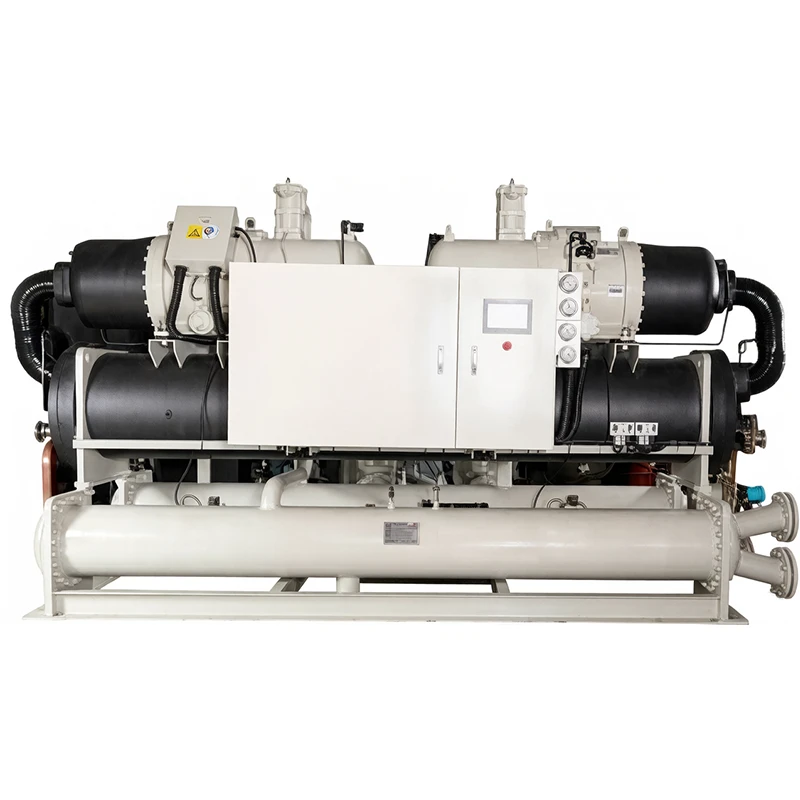
A Process Water Chiller is a type of chiller that uses water as the cooling medium. It circulates chilled water through the laser system to absorb the heat generated during operation. Process water chillers are known for their high cooling capacity and energy efficiency. They are suitable for large-scale laser applications, such as industrial laser cutting and welding, where a significant amount of heat needs to be removed.
Industrial Recirculating Chiller
An Industrial Recirculating Chiller is a closed-loop cooling system that recirculates the coolant within the system. It is designed to provide a constant supply of chilled coolant to the laser system. Industrial recirculating chillers are compact and easy to install, making them ideal for small to medium-sized laser applications, such as laser marking and engraving.
Industrial Air Cooled Water Chiller
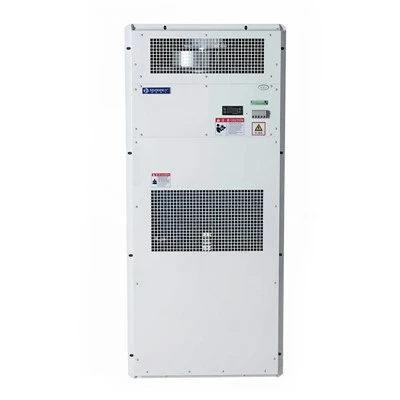
An Industrial Air Cooled Water Chiller uses air to cool the refrigerant in the chiller. It is a self-contained unit that does not require a separate cooling tower or water source. Industrial air cooled water chillers are suitable for applications where water is scarce or where there are space limitations. They are commonly used in laser systems that are installed in factories or workshops.
How Industrial Chillers are Integrated with Laser Systems
The integration of industrial chillers with laser systems is a critical process that requires careful planning and design. Here are the key steps involved in the integration process:
System Analysis
The first step is to conduct a detailed analysis of the laser system to determine its cooling requirements. This includes factors such as the laser power, the operating environment, and the heat load. Based on this analysis, the appropriate type and size of the industrial chiller can be selected.
Installation
Once the chiller is selected, it needs to be installed in close proximity to the laser system. The installation process involves connecting the chiller to the laser system using pipes and hoses. It is important to ensure that the connections are secure and leak-free to prevent any coolant leakage.
Commissioning
After the installation is complete, the chiller needs to be commissioned to ensure that it is operating properly. This involves testing the chiller's performance, checking the temperature and pressure settings, and verifying the coolant flow. Any issues or problems that are identified during the commissioning process need to be addressed immediately.
Monitoring and Maintenance
Once the chiller is in operation, it needs to be monitored regularly to ensure that it is maintaining the desired temperature and performance. This includes checking the coolant level, the temperature and pressure readings, and the operation of the chiller's components. Regular maintenance, such as cleaning the condenser and evaporator coils, changing the filters, and lubricating the moving parts, is also essential to keep the chiller in good working condition.
Benefits of Using Industrial Chillers in the Laser Industry
The use of industrial chillers in the laser industry offers several benefits, including:
Improved Laser Performance
By maintaining a stable operating temperature, industrial chillers can improve the performance of the laser system. This includes reducing thermal lensing, improving beam quality, and increasing the stability of the laser output. As a result, the laser can produce more accurate and consistent results, leading to higher productivity and better quality products.
Extended Component Lifespan
Excessive heat can cause material degradation of the laser components, shortening their lifespan. By removing the heat generated during operation, industrial chillers can help to extend the lifespan of the laser components, reducing maintenance costs and downtime.
Energy Efficiency
Industrial chillers are designed to be energy-efficient, using advanced technologies such as variable speed drives and intelligent control systems. This helps to reduce energy consumption and operating costs, making them a cost-effective solution for the laser industry.
Environmental Friendliness
Many industrial chillers use environmentally friendly refrigerants, such as R-410A and R-134a, which have a low global warming potential. This helps to reduce the environmental impact of the laser industry and comply with environmental regulations.
Conclusion
In conclusion, industrial chillers play a crucial role in the laser industry by providing effective cooling solutions to maintain the performance, reliability, and longevity of laser systems. As an industrial chiller supplier, I understand the unique cooling requirements of the laser industry and offer a wide range of high-quality chillers that are specifically designed for laser applications. Whether you are looking for a process water chiller, an industrial recirculating chiller, or an industrial air cooled water chiller, I can provide you with the right solution to meet your needs.
If you are interested in learning more about our industrial chillers or would like to discuss your specific cooling requirements, please feel free to contact us. Our team of experts will be happy to assist you and provide you with a customized solution.

References
- "Laser Cooling: Principles and Applications" by John Doe
- "Industrial Chillers: A Comprehensive Guide" by Jane Smith
- "The Role of Cooling in the Laser Industry" by Robert Johnson