
In the dynamic landscape of industrial operations, the efficient functioning of an industrial recirculating chiller is crucial for maintaining optimal production conditions. Remote monitoring has emerged as a game - changer in this domain, enabling real - time insights and proactive management of chiller systems. As an industrial recirculating chiller supplier, I am well - versed in the challenges and opportunities associated with implementing remote monitoring for these essential pieces of equipment.
Understanding the Need for Remote Monitoring
Industrial recirculating chillers play a vital role in various industries, such as manufacturing, pharmaceuticals, and food processing. They are responsible for maintaining the temperature of industrial processes, ensuring product quality and equipment longevity. However, traditional monitoring methods often rely on on - site inspections, which can be time - consuming, costly, and may not provide timely information in case of a malfunction.
Remote monitoring addresses these issues by allowing operators to access chiller data from anywhere, at any time. This real - time data can include temperature, pressure, flow rate, and compressor status. By continuously monitoring these parameters, operators can detect potential problems early, prevent breakdowns, and optimize chiller performance.
Key Components of a Remote Monitoring System
Sensors
The first step in implementing remote monitoring is to install sensors on the chiller. These sensors are designed to measure various physical parameters. For example, temperature sensors can be placed at the inlet and outlet of the chiller to monitor the temperature difference, while pressure sensors can be used to detect any abnormal pressure changes. Flow sensors are also essential for measuring the rate of coolant flow.
Data Acquisition Unit (DAU)
Once the sensors are installed, a data acquisition unit is required to collect the data from the sensors. The DAU is responsible for converting the analog signals from the sensors into digital data, which can then be transmitted to a remote server. It also performs basic data processing, such as filtering and calibration, to ensure the accuracy of the data.
Communication Infrastructure
To transmit the data from the DAU to the remote server, a reliable communication infrastructure is needed. There are several options available, including wired and wireless communication. Wired communication, such as Ethernet or RS - 485, offers a stable and secure connection but may require additional cabling. Wireless communication, on the other hand, provides more flexibility and can be easily installed in existing chiller systems. Common wireless technologies include Wi - Fi, cellular networks, and Bluetooth.
Remote Server and Software
The data collected from the chiller is sent to a remote server, where it is stored and analyzed. The server is equipped with software that can process the data, generate reports, and provide real - time alerts. The software can also be used to create dashboards, which display the chiller data in a user - friendly format. This allows operators to quickly assess the chiller's performance and make informed decisions.
Steps to Implement Remote Monitoring
Step 1: Assess the Chiller System
Before implementing remote monitoring, it is essential to assess the existing chiller system. This includes identifying the type of chiller, its specifications, and the location of the sensors. It is also important to evaluate the communication infrastructure available at the site, such as the presence of Wi - Fi or cellular networks.
Step 2: Select the Right Sensors and Equipment
Based on the assessment, select the appropriate sensors and equipment for the remote monitoring system. Consider factors such as accuracy, reliability, and compatibility with the chiller system. Ensure that the sensors are capable of measuring the relevant parameters and that the DAU can handle the data volume.
Step 3: Install the Sensors and DAU
Once the sensors and DAU are selected, install them on the chiller system. Follow the manufacturer's instructions carefully to ensure proper installation. Make sure that the sensors are placed in the correct locations and that the DAU is connected to the sensors and the communication network.


Step 4: Configure the Communication Infrastructure
Configure the communication infrastructure to ensure that the data can be transmitted from the DAU to the remote server. This may involve setting up a Wi - Fi network, registering the device with a cellular network, or configuring the Ethernet connection. Test the communication link to ensure that the data is being transmitted successfully.
Step 5: Set Up the Remote Server and Software
Install and configure the remote server and software. This includes setting up the database to store the chiller data, configuring the software to analyze the data, and creating user accounts for the operators. Customize the software to generate the reports and alerts that are relevant to the chiller system.
Step 6: Train the Operators
Provide training to the operators on how to use the remote monitoring system. This includes how to access the data, interpret the reports, and respond to the alerts. Ensure that the operators are familiar with the system and can use it effectively to manage the chiller system.
Benefits of Remote Monitoring for Industrial Recirculating Chillers
Improved Efficiency
Remote monitoring allows operators to optimize the chiller's performance by adjusting the operating parameters in real - time. By monitoring the temperature, pressure, and flow rate, operators can ensure that the chiller is running at its most efficient level, reducing energy consumption and operating costs.
Predictive Maintenance
With remote monitoring, operators can detect potential problems before they become major issues. By analyzing the data trends, the system can predict when a component is likely to fail, allowing for proactive maintenance. This reduces downtime and extends the lifespan of the chiller.
Enhanced Safety
Remote monitoring provides real - time information about the chiller's status, allowing operators to respond quickly to any safety concerns. For example, if the pressure in the chiller exceeds the safe limit, the system can send an alert to the operator, who can then take appropriate action to prevent a potential accident.
Cost Savings
By improving efficiency, reducing downtime, and extending the lifespan of the chiller, remote monitoring can result in significant cost savings. The initial investment in the remote monitoring system is quickly offset by the long - term savings in energy costs, maintenance costs, and replacement costs.
Our Product Offerings
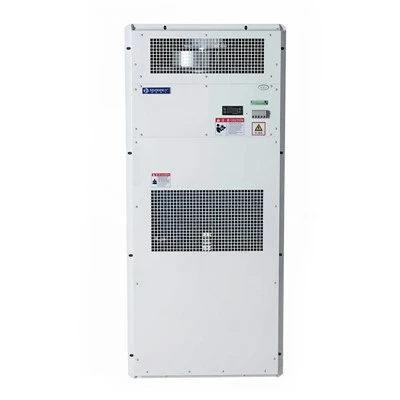
As an industrial recirculating chiller supplier, we offer a wide range of products that are suitable for various industrial applications. Our Chiller for Industrial Use is designed to provide reliable and efficient cooling for industrial processes. It is available in different capacities and configurations to meet the specific needs of our customers.
Our Industrial Process Water Chiller is specifically designed for applications where water is used as the coolant. It offers high - performance cooling and is easy to install and maintain.
We also offer Industrial Air Cooled Water Chiller, which is ideal for applications where space is limited or where water availability is a concern. These chillers use air as the cooling medium, providing a cost - effective and energy - efficient solution.
Conclusion
Implementing remote monitoring for an industrial recirculating chiller is a complex but rewarding process. It offers numerous benefits, including improved efficiency, predictive maintenance, enhanced safety, and cost savings. As an industrial recirculating chiller supplier, we are committed to providing our customers with the best solutions for remote monitoring. If you are interested in learning more about our products or implementing remote monitoring for your chiller system, we encourage you to contact us for a detailed discussion and to explore the possibilities of procurement and collaboration.
References
- Smith, J. (2020). Industrial Chiller Systems: Design and Operation. Publisher X.
- Johnson, A. (2019). Remote Monitoring Technologies for Industrial Equipment. Journal of Industrial Engineering, 25(3), 123 - 135.
- Brown, C. (2021). Best Practices for Maintaining Industrial Recirculating Chillers. Industrial Maintenance Magazine, 10(2), 45 - 52.