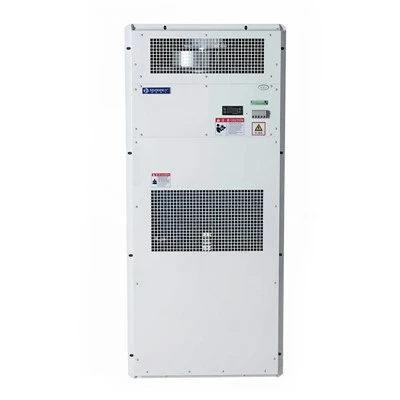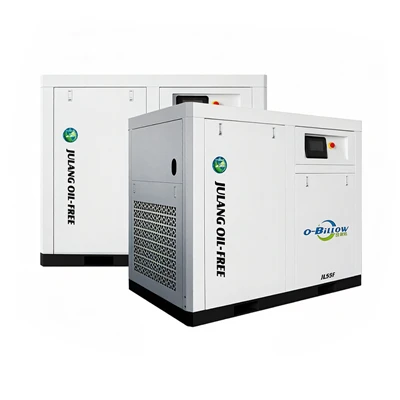

Hey there! As a supplier of industrial recirculating chillers, I often get asked the question: "Which is more suitable, a single - stage or a multi - stage industrial recirculating chiller?" It's a great question, and in this blog, I'm gonna break it down for you.
Let's start with the basics. An industrial recirculating chiller is a vital piece of equipment in many industries. It's used to cool processes, machinery, or products by circulating a coolant through a closed - loop system. There are different types of industrial recirculating chillers, like the Process Water Chiller, Industrial Oil Chiller, and Industrial Air Cooled Water Chiller.
Single - stage Industrial Recirculating Chillers
A single - stage chiller is pretty straightforward. It has one compressor that does all the work. This type of chiller is simple in design and operation. It's like a single - engine plane. It gets the job done, but it has its limitations.
One of the main advantages of a single - stage chiller is its cost. They're generally cheaper to buy and install compared to multi - stage chillers. If you have a small - scale operation with relatively stable cooling requirements, a single - stage chiller might be the way to go. For example, if you're running a small workshop that only needs to cool a single piece of machinery, a single - stage chiller can provide the necessary cooling at a lower cost.
Another benefit is its simplicity. There are fewer components, which means less maintenance and a lower chance of something going wrong. If you don't have a dedicated maintenance team or if you're on a tight budget for maintenance, a single - stage chiller can be a great option.
However, single - stage chillers also have their drawbacks. They're not very efficient when it comes to handling large temperature differences. If you need to cool a process from a very high temperature to a very low temperature, a single - stage chiller will struggle. It might have to work overtime, which can lead to higher energy consumption and wear and tear on the compressor.
Multi - stage Industrial Recirculating Chillers
Now, let's talk about multi - stage chillers. These are like multi - engine planes. They have multiple compressors working together to achieve better cooling performance.
The biggest advantage of multi - stage chillers is their efficiency. They can handle large temperature differences much better than single - stage chillers. Each compressor in a multi - stage system is designed to work at a specific stage of the cooling process, which allows for more precise temperature control. This means that the chiller can operate more efficiently, saving you money on energy costs in the long run.
Multi - stage chillers are also more flexible. They can adjust their cooling capacity based on the actual demand. For example, if your production process has different cooling requirements at different times of the day, a multi - stage chiller can easily adapt. It can run on fewer compressors during periods of low demand and ramp up when the demand increases.
But, of course, there are some downsides to multi - stage chillers. They're more expensive to buy and install. The additional compressors and components increase the upfront cost. They also require more maintenance because there are more parts that can potentially fail. You'll need a more experienced maintenance team to keep them running smoothly.


Which One is More Suitable?
So, which type of chiller is more suitable for you? Well, it depends on several factors.
Cooling Requirements
If you have a small - scale operation with stable cooling requirements, a single - stage chiller might be sufficient. For example, a small food processing plant that only needs to cool a few pieces of equipment at a constant temperature can probably get by with a single - stage chiller.
On the other hand, if you have a large - scale operation with variable cooling requirements or if you need to cool processes from very high temperatures to very low temperatures, a multi - stage chiller is likely the better choice. A large manufacturing facility that produces a variety of products with different cooling needs would benefit from a multi - stage chiller's flexibility and efficiency.
Budget
Budget is always a consideration. If you're on a tight budget and can't afford the higher upfront cost of a multi - stage chiller, a single - stage chiller might be your only option. However, you need to also consider the long - term energy costs. A single - stage chiller might be cheaper to buy, but it could end up costing you more in energy bills over time.
Maintenance
If you have a well - trained maintenance team and can afford the additional maintenance costs, a multi - stage chiller is a good investment. The team can keep the chiller in top condition and minimize the risk of breakdowns. But if you don't have the resources for regular maintenance, a single - stage chiller's simplicity might be more appealing.
Making the Decision
In the end, the decision between a single - stage and a multi - stage industrial recirculating chiller comes down to your specific needs and circumstances. You need to carefully evaluate your cooling requirements, budget, and maintenance capabilities.
If you're still not sure which type of chiller is right for you, don't hesitate to reach out. As an industrial recirculating chiller supplier, I'm here to help you make the best decision for your business. We can discuss your specific requirements in detail and recommend the most suitable chiller for you. Whether you're looking for a Process Water Chiller, Industrial Oil Chiller, or Industrial Air Cooled Water Chiller, we've got you covered.
Contact us today to start the conversation and find the perfect industrial recirculating chiller for your needs.
References
- ASHRAE Handbook - HVAC Systems and Equipment.
- Industrial Refrigeration Handbook by William C. Turner.